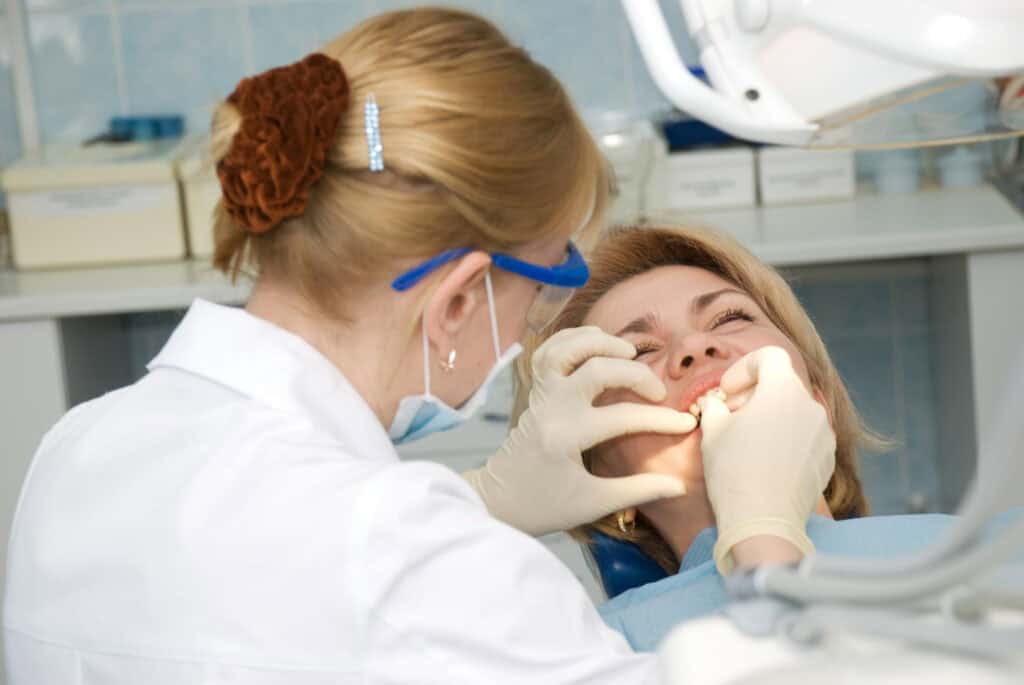
The first week after a bone graft is mostly about soft tissue. The site closes, swelling and soreness ease, and most people are back to their normal routines within a few days. The part that takes far longer happens out of sight, where the graft material is gradually replaced by new bone. Knowing which phase you are in makes the process easier to plan around, from time off work to implant placement months down the road.
Why the Recovery Timeline Is Split in Two
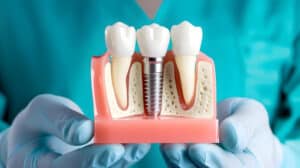
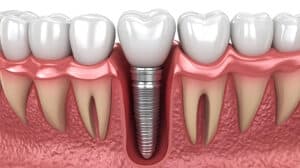
A bone graft augments the healthy bone in your jaw and stimulates regeneration that restores jawbone structure. It is a surgical procedure that places bone in areas of the jaw that are deficient or need extra structural support. The graft does two jobs at once: it replaces missing bone and it triggers new bone growth.
That dual role is why recovery is described on two different clocks. The soft tissue clock is short, measured in days and weeks. The bone clock is long, measured in months. Published timelines reflect that split. One source notes initial healing after a bone graft takes about a week, while full bone healing takes considerably longer. Another puts recovery from swelling and pain at one to two weeks, with the added bone needing four to six months to fully heal. A third describes initial soft tissue healing of one to two weeks and full bone maturation of three to nine months.
Timonium patients hear the same range from their own providers because the underlying biology does not change by zip code. What changes is the size and location of the graft, which is why your own timeline may land at the shorter or longer end of those windows.
The First Few Days After Your Bone Graft
Bone grafting is one of the most common procedures in implant dentistry. It is performed hundreds of thousands of times each year across the United States. Most grafting procedures are routine, and minor grafts can be completed in an office setting to prepare a site for a future dental implant.
In the days right after surgery, the focus is on the soft tissue. The graft site needs to stay undisturbed so a blood clot can form and the tissue can begin closing over it. Most patients experience mild discomfort rather than severe pain, and most can resume normal activities within a few days. Swelling and soreness typically resolve over one to two weeks.
Practical points for this window:
- Plan the first day or two around rest, even if you feel better than expected.
- Expect the surgical site to feel tender and swollen for several days.
- Follow the aftercare instructions your periodontist gives you, including any restrictions on eating, drinking, or physical activity.
- Ask before the appointment what to do if discomfort increases instead of easing.
Week 1: Initial Healing
By the end of the first week, the earliest phase of healing is usually underway. One published source describes initial healing after a bone graft as taking about a week. Another describes initial recovery as taking approximately a week, with the graft itself needing at least three months to heal.
This is the week when the site is at its most vulnerable. The soft tissue is closing, but the graft material beneath is nowhere near integrated. Many patients feel close to normal by this point, which can be misleading. Feeling better does not mean the graft has taken hold. This is a good week to keep pressure off the area and let the tissue do its work.
Week 2: Swelling and Discomfort Fade
The second week is where the soft tissue clock generally finishes. Recovery from swelling and pain is described as taking about one to two weeks, and initial soft tissue healing is described in the same one to two week range. If you are still taking it easy at the start of week two and feeling steady by the end of it, you are on a typical track.
What is happening under the surface is different. The graft is still in the early stage of being incorporated into the jaw. Nothing visible marks this progress. X-rays taken months later are what show whether new bone has formed, not how the site looks or feels in week two.
Weeks 3 and 4: Back to Routine
Most people are fully back into their normal routine by this point. Normal activities typically resume within a few days of the procedure, so by week three or four the surgical appointment usually feels like it happened a while ago.
The bone, however, is only beginning. One source notes the graft itself needs at least three months to heal, and that larger bone grafts may take longer. A larger graft means more material to be replaced by new bone, which is why graft size is one of the strongest predictors of how long the full timeline runs.
Months 1 to 3: The Graft Begins to Integrate
This is the quiet stretch. There is little to notice day to day, but the graft is being remodeled. The body breaks down the graft material and replaces it with the patient’s own bone. Healing after a dental bone graft typically takes several months but follows predictable stages.
Full integration of the graft is generally described as taking three to six months. That range lines up with the common statement that the graft itself needs at least three months to heal, and that larger grafts can push past that mark.
Months 3 to 6: Full Integration and What Comes Next
By this stage, the question shifts from healing to planning. If the graft was placed to prepare for a dental implant, the next step is confirming that the new bone is dense enough to support one. If the graft was placed to rebuild bone lost to periodontal disease, the goal is a jaw that is structurally sound again.
Timelines published by different sources cluster in the same neighborhood:
| Phase | What is happening | Typical timeframe reported |
|---|---|---|
| First few days | Mild discomfort, soft tissue begins closing; most patients return to normal activities | A few days |
| Week 1 | Initial healing | About one week |
| Weeks 1 to 2 | Swelling and pain resolve | One to two weeks |
| Months 3 to 6 | Graft integrates with the jawbone | Three to six months |
| Months 3 to 9 | Full bone maturation | Three to nine months |
| Months 4 to 6 | Added bone fully heals | Four to six months |
The spread in those numbers is not a contradiction. Different sources describe different endpoints. Some measure when the graft has integrated enough for the next step, others measure full bone maturation. Ask your own periodontist which milestone they are tracking and when they want to re-evaluate the site.
Why Bone Grafts Are Recommended in the First Place
Bone grafting is usually recommended for one of three reasons: after a tooth extraction, before a dental implant, or to rebuild bone lost to periodontal disease. Bone reconstruction procedures in this category include socket preservation and sinus floor elevation. The specific technique depends on the size and location of the defect.
In the Timonium area, bone grafting is offered alongside related periodontal and implant services. West Periodontics & Dental Implants is a periodontal specialty practice serving Timonium, Lutherville, and the greater Baltimore area, with board-certified periodontists on staff. Multiple providers in the area offer grafting and implant care, so it is reasonable to ask about a clinician’s experience with the specific graft type you need.
Questions Worth Asking Before Surgery
Every recovery looks slightly different, and the published ranges are broad on purpose. A short list of questions at your consultation can turn those ranges into a plan you can actually schedule around.
- What type of graft is being placed, and how large is the site?
- When can I return to work, exercise, and my normal eating routine?
- What are the signs of a problem I should call about?
- When will the graft be re-evaluated, and when can the next step happen?
- How long does the practice expect my specific timeline to run?
Frequently Asked Questions
How long does bone grafting recovery take?
Recovery happens on two timelines. Soft tissue healing and the resolution of swelling and discomfort generally take about one to two weeks, with initial healing reported at around one week. The bone itself takes much longer, with published ranges of three to six months for graft integration and up to three to nine months for full bone maturation.
When can I go back to normal activities after a bone graft?
Most patients can resume normal activities within a few days after bone grafting. That does not mean the graft has healed. It means the soft tissue has settled enough for ordinary movement. Strenuous activity, heavy lifting, and anything that raises pressure at the surgical site should be cleared with your periodontist first.
Is bone graft surgery painful?
Most patients experience mild discomfort after a dental bone graft, and swelling and pain typically resolve within one to two weeks. The procedure itself is performed with local anesthesia, and minor grafts can be done in an office setting. Discomfort that worsens instead of easing is a reason to contact your provider.
Does the graft heal in a week?
No. What happens in about a week is initial healing of the soft tissue over the graft site. The graft material beneath still needs to be replaced by new bone, a process measured in months. A source describing initial recovery of approximately one week also notes the graft itself needs at least three months to heal.
Why do different sources give different recovery times?
Sources measure different endpoints. Some describe when the graft has integrated enough for a dental implant, generally three to six months. Others describe full bone maturation, which can run three to nine months. Graft size and location also shift the timeline, and larger bone grafts may take longer than smaller ones.