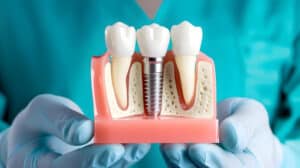
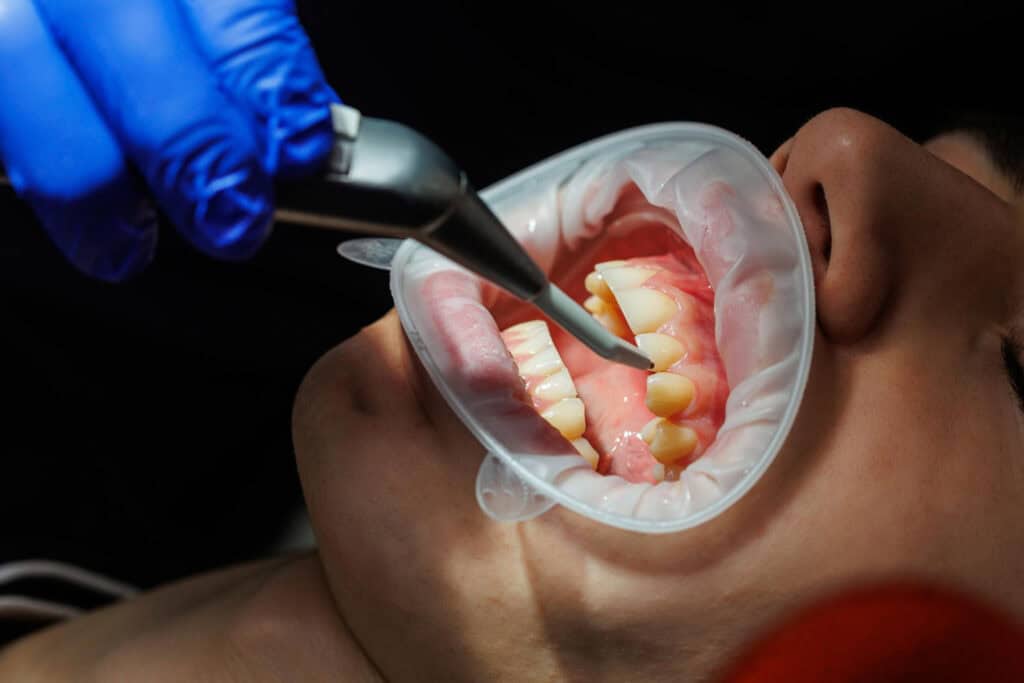
Losing a tooth affects more than your smile. The bone that surrounded the tooth roots depended on those roots for stimulation, and once they are gone the body begins to break down that section of the jaw. The ridge becomes narrower and shorter over time. Ridge preservation, also called socket preservation, is a bone grafting technique that places graft material into the empty socket right after a tooth is removed. The goal is straightforward: keep the ridge as close to its original shape and volume as possible so future treatment options stay open.
What Ridge Preservation Actually Is
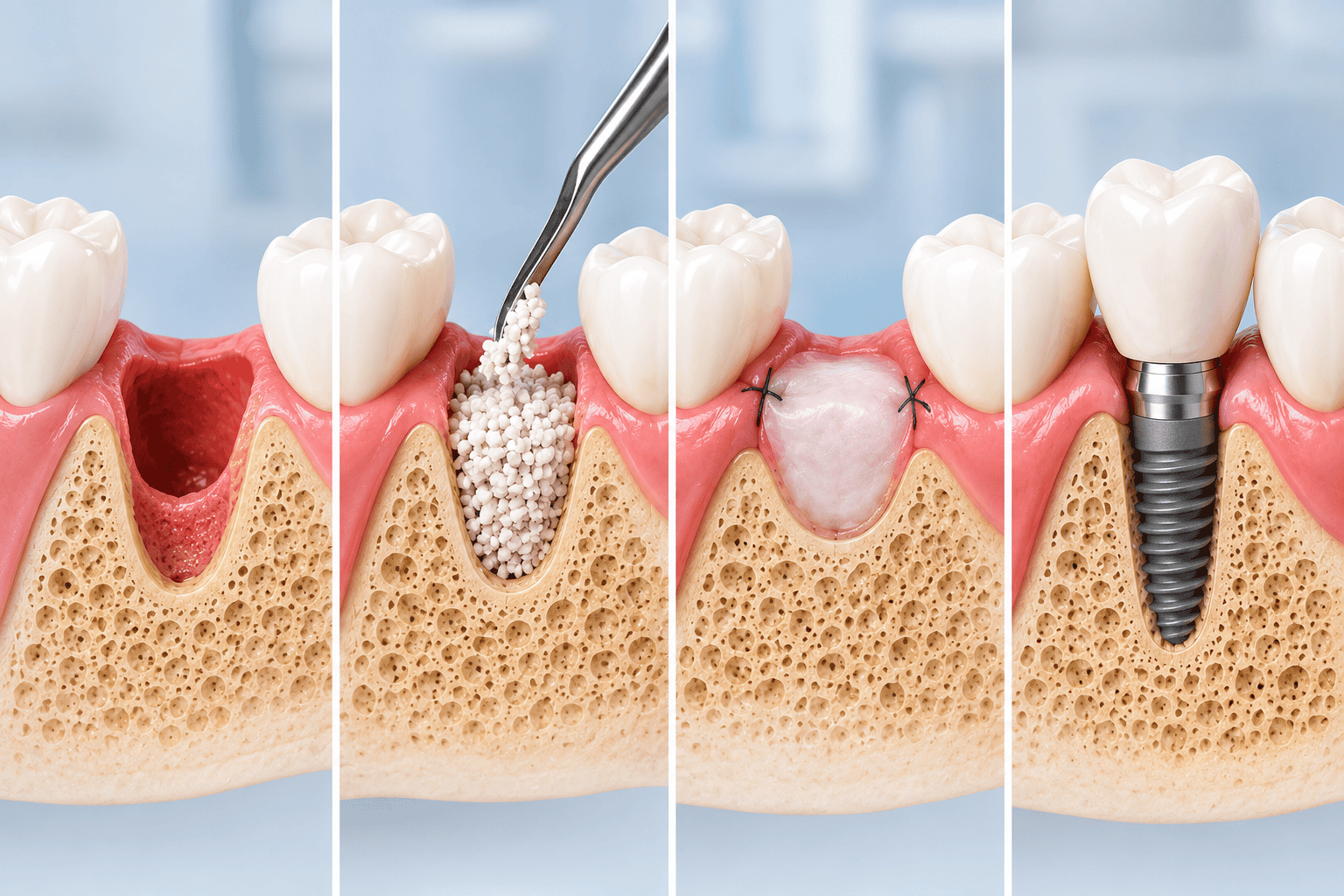
Ridge preservation is a bone grafting procedure performed in the socket left behind after an extraction. Graft material is placed into the hollow space where the tooth used to sit, and the body uses that material as a scaffold to build new bone. Rather than replacing the tooth itself, the procedure rebuilds and maintains the bone in that area of the jaw. A ridge preservation procedure conserves the extraction site by placing a bone graft within the hollow areas to prevent bone loss.
The terminology can be confusing when you are reading about treatment options, since several phrases describe the same basic idea. Understanding the labels helps you follow what your periodontist is recommending and ask better questions at your consultation.
| Term | What it refers to |
|---|---|
| Ridge preservation | A bone grafting technique designed to reconstruct bone within the socket left by an extraction and help maintain the ridge |
| Socket preservation | Another name for the same procedure, described in terms of the socket itself |
| Bone replacement graft | The graft material placed into the site to support new bone formation |
Why the Jawbone Changes After a Tooth Is Removed
After a tooth extraction, the jaw bone decreases in thickness and volume. A socket that is left unprotected becomes a concaved depression, and that change can prevent restorative treatment such as dental implant placement. The loss happens early, which is why the timing of a grafting decision matters so much.
Research supports what clinicians see in practice. A review of ridge preservation for implant therapy cited work by Allegrini and colleagues showing that ridge preservation decreased early alveolar ridge width loss after tooth extraction. In other words, the narrowing that normally follows an extraction can be reduced when the socket is grafted at the time of removal.
This is not only a cosmetic concern. Bone loss at an extraction site can prevent the subsequent placement of a dental implant. It can also change how a bridge or denture fits, since the shape of the ridge underneath those restorations shifts as the bone shrinks. Preserving the ridge keeps more of your replacement options viable.
Who Tends to Benefit Most
Ridge preservation is not automatic for every extraction. It is a decision your dentist or periodontist makes after evaluating the site, your bone, and your plans for the tooth. It is commonly discussed in these situations:
- You intend to replace the missing tooth with a dental implant and want the site prepared in advance.
- You have not decided yet how you will replace the tooth, and you want to keep the implant option available.
- You want to limit the jaw changes that follow extraction, including shrinkage of the ridge.
- Your dentist or periodontist has recommended grafting as part of the extraction visit itself.
If none of these apply, an extraction without grafting may be entirely appropriate. There is no single answer that fits every patient, which is why an evaluation comes before a recommendation.
How the Procedure Fits Into a Tooth Extraction Appointment
Ridge preservation is performed immediately after a tooth extraction. Because the socket is already open and the area is numb for the removal, the grafting step takes place as part of the same visit rather than as a separate surgery scheduled weeks later.
Once the tooth is out, the socket is cleaned and prepared. Graft material is then placed into the hollow area, and the site is covered as needed to hold the graft in position while healing begins. Your clinician will explain what was placed, what you should expect from the site in the days that follow, and how to care for it at home.
The decision itself is usually made before the extraction, during the consultation and exam. At that appointment, your periodontist reviews the tooth, the surrounding bone, and your longer term goals for the space. That is the moment to raise questions about grafting, implant timing, and cost.
Ridge Preservation and Future Dental Implants
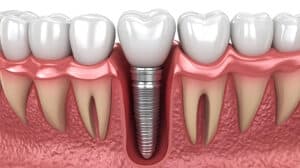
Ridge preservation protects extraction sites from early bone resorption, supports reliable bone formation, and simplifies future implant placement. It also increases the chance of placing a dental implant, because the graft helps the body build new bone and prevents atrophy or thinning of the jaw after extraction.
Implants need bone to anchor into. An implant placed into a ridge that has held its width and height is a different procedure than one placed into a ridge that has collapsed and must be rebuilt first. Preserving the ridge at the time of extraction can reduce the amount of additional grafting needed later, and in some cases it removes that step altogether.
For patients who know an implant is coming, the sequence usually looks like this: extraction with grafting, a healing period, then implant placement once the site is ready. Your periodontist will confirm the plan for your specific case, since bone quality, the reason for the extraction, and your overall health all shape the timeline.
What to Expect During Healing
Healing after ridge preservation varies from person to person. It depends on the size of the socket, the graft material used, and your general health. Rather than a fixed schedule that applies to everyone, your periodontist will give you instructions specific to your site, covering what to eat, how to clean around the area, and when to return for a follow-up visit.
Follow the aftercare directions you are given, and contact the office if something feels wrong rather than waiting for your next appointment. Questions about discomfort, medications, swelling, or activity restrictions are best asked before you leave the office, while your clinician is still in front of you and can answer for your case specifically.
Why Timing Matters More Than Most Patients Realize
Ridge preservation works best when it happens at the time of extraction. That is the point when the socket is open, the bone walls are still in place, and the graft can be placed directly into the space the tooth occupied.
Months later, the situation has changed. Bone that has already resorbed cannot simply be swapped back, and rebuilding a collapsed ridge is a more involved undertaking than preserving one that was never lost. Patients often ask whether they can wait and decide later. The honest answer is that waiting has a cost, and the cost is paid in bone.
That does not mean every extraction requires a graft. It means the conversation is better had before the tooth comes out, when all the options are still on the table.
Questions Worth Asking Before You Schedule
Bring your questions to the consultation. A few that help patients in Timonium make a confident decision:
- Does my case call for ridge preservation, or would an extraction alone be enough?
- What graft material will be used, and why is it the right choice for my site?
- How does this affect the timeline if I decide to pursue a dental implant?
- What does the procedure cost, and what does my insurance cover?
- What will healing involve, and when should I expect to return?
Cost and healing timelines are specific to each patient and each site, so those answers should come from your treating clinician rather than from a general article. Ask for them in writing if that helps you plan.
Ridge Preservation Care in Timonium
West Periodontics & Dental Implants is a periodontal specialty practice in Timonium, Maryland, serving patients in Lutherville, Timonium, and the greater Baltimore area. The practice focuses on the diagnosis and treatment of gum disease along with surgical placement of dental implants, and offers tooth extractions, bone grafting, gum grafting, and guided implant surgery.
Because the practice is built around periodontal and implant care, patients who need an extraction and are weighing ridge preservation can have both the removal and the grafting conversation with the same team. If you have been told a tooth needs to come out, scheduling a consultation before the extraction date gives you time to decide how you want that site handled.
Frequently Asked Questions
Is ridge preservation the same as socket preservation?
Yes. The two terms describe the same procedure. Ridge preservation and socket preservation both refer to placing a bone graft into the extraction socket to limit bone loss and maintain the shape of the jaw. Some clinicians favor one term because it emphasizes the ridge as a whole, while the other highlights the socket itself. The treatment is identical.
Does every tooth extraction need ridge preservation?
No. Ridge preservation is a site specific decision, not a routine add on for every removal. It is often recommended when an implant is planned or when you want to keep that option open, and it may be unnecessary in other cases. Your dentist or periodontist evaluates the socket, the bone, and your goals before recommending it.
How long does healing take after ridge preservation?
Healing timelines vary with the size of the socket, the graft material, and your overall health, so there is no single number that fits every patient. Your periodontist will give you guidance for your specific site, including aftercare instructions and when to return for follow up. Ask directly at your appointment so you can plan accordingly.
Can I get a dental implant at the same time as the extraction?
Sometimes, but not always. Ridge preservation is typically performed at the time of extraction to prepare the site, and implant placement is often planned for a later visit once the grafted area has healed. The exact sequence depends on the condition of your bone, the reason for the extraction, and your treatment plan. Your periodontist will confirm the approach for your case.
What should I do if I am not sure whether I need grafting?
Ask before the tooth is removed. The consultation and exam is when your clinician can look at the socket, review your bone, and explain how each option affects your future treatment. Once the extraction is done, the decision window narrows. Schedule the conversation early so you are choosing with full information.