
Best Periodontist for Dental Implants in Timonium
Best Periodontist for Dental Implants in Timonium: Expert Care for Your Smile
Missing teeth can affect daily comfort, confidence, and overall oral function. Dental implants offer a long-lasting solution, but achieving natural-looking results depends on choosing the right specialist.
West Periodontics & Dental Implants ensures patients receive advanced periodontal and implant care designed to support healthy gums, strong bone structure, and lasting smile restoration. From implant placement to bone grafting procedures. Our team focuses on precise treatment planning and comprehensive periodontal support throughout the implant process.
This guide explains what to look for in a dental implant specialist, available implant procedures in Timonium, and how expert periodontal care supports successful treatment outcomes.
Why Choosing the Right Periodontist for Dental Implants Matters
Dental implants are one of the most effective long-term solutions for replacing missing teeth, but successful results depend heavily on the expertise of the provider performing the procedure. A periodontist specializes in gum health, jawbone support, and the structures that hold teeth in place, making them uniquely qualified to manage implant treatment.
Proper implant placement is essential for both function and appearance. An experienced periodontist carefully evaluates bone density, gum condition, bite alignment, and overall oral health before developing an individualized implant strategy. This level of precision can reduce complications, improve healing, and improve implant durability and healing outcomes.
For patients in Timonium, working with a specialist also means access to advanced technology, minimally invasive techniques, and comprehensive periodontal care designed to support healthier gum and bone structure over time.
What to Look for in a Dental Implant Specialist
Choosing the right dental implant specialist involves more than finding a provider who offers implant procedures. Experience, training, and specialized periodontal knowledge all play a major role in achieving successful outcomes.
Specialized Periodontal Training
A qualified dental implant specialist typically completes advanced education and clinical training beyond dental school. Periodontists receive specialized training focused on gum disease treatment, bone preservation, and dental implant surgery.
According to standards for periodontology specialist training programs, these programs include supervised clinical practice and advanced education designed specifically for periodontal care and implant dentistry. “A Periodontology Training Program is defined as an organized, directed, graduate or postgraduate program of study and supervised clinical practice.”
This additional training helps specialists manage everything from routine implant placement to more complex cases involving bone loss or advanced periodontal disease.
Board Certification and Continuing Education
Board certification demonstrates a commitment to maintaining high standards of patient care and continuing education. Board-certified periodontists regularly stay updated on modern implant techniques, digital imaging technology, and advanced surgical methods.
Patients often benefit from:
- More precise treatment planning
- Advanced implant placement techniques
- Improved patient safety
- Better long-term implant success rates
Experience With Complex Implant Cases
Not all dental implant cases are straightforward. Some patients may require bone grafting, sinus lift procedures, or treatment for gum disease before implants can be placed successfully.
An experienced periodontist can identify these issues early and develop a treatment plan tailored to the patient’s oral health needs. This personalized approach helps create a stronger foundation for long-term implant stability.
Advanced Dental Implant Procedures Available in Timonium
Modern implant dentistry involves more than replacing missing teeth. Many patients require advanced procedures to ensure successful implant placement and long-term oral health.
Bone Grafting for Implant Support
Healthy jawbone structure is essential for successful dental implants. When bone loss occurs due to missing teeth or periodontal disease, bone grafting may be recommended to rebuild support in the affected area.
Bone grafting helps create a stable foundation for implant placement and improves the long-term success of the restoration. Depending on the patient’s needs, different grafting materials and techniques may be used to restore adequate bone support.
Sinus Lift Procedures
A sinus lift is commonly performed when there is not enough bone height in the upper jaw for dental implants. This procedure gently raises the sinus membrane and adds bone material to create sufficient support for implant placement.
Sinus lifts are often recommended for patients replacing upper molars or premolars where natural bone density may be limited.
Immediate Dental Implants
In some cases, dental implants can be placed immediately after tooth extraction. Immediate implants may reduce overall treatment time and help preserve jawbone structure.
However, candidacy depends on factors such as bone quality, gum health, and the location of the missing tooth. A detailed consultation is necessary to determine whether immediate implant placement is the right option.
Who Can Benefit From Dental Implants?

Dental implants are a popular option for many patients, but certain factors can affect candidacy and treatment success.
Dental implants may be a suitable option if you:
- Have one or more missing teeth
- Maintain healthy gums
- Have sufficient jawbone support
- Practice good oral hygiene
- Want a long-term tooth replacement solution
Certain conditions, such as advanced gum disease, smoking, or severe bone loss, may require additional treatment before implants can be placed. A comprehensive periodontal evaluation helps determine the best treatment approach for each patient.
How Expertise Affects Dental Implant Success
The success of dental implants depends heavily on careful planning, surgical precision, and ongoing periodontal care. Experienced specialists are better equipped to manage complex cases, identify potential complications early, and ensure proper implant positioning.
Expertise also plays a major role in osseointegration, the process where the implant fuses with the jawbone. Proper placement and healthy surrounding tissues improve healing and increase long-term implant stability.
Patients treated by experienced periodontists often benefit from:
- Higher implant success rates
- Reduced risk of complications
- Better aesthetic outcomes
- Improved comfort during treatment
- Long-term oral health support
What to Expect During Dental Implant Surgery
Understanding the dental implant process can help patients feel more comfortable and confident before treatment begins.
Initial Consultation and Imaging
The process starts with a comprehensive examination that may include digital X-rays, 3D imaging, and a review of the patient’s medical and dental history. This evaluation helps determine bone quality, gum health, and the ideal implant placement location.
Implant Placement Procedure
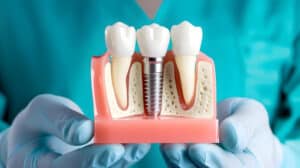
During surgery, the dental implant is carefully placed into the jawbone. Local anesthesia or sedation options may be used to improve comfort throughout the procedure. The implant acts as an artificial tooth root and provides long-term support for the final restoration.
Healing and Osseointegration
After implant placement, the jawbone gradually fuses with the implant in a process called osseointegration. This healing period is essential for creating a stable foundation and can take several months depending on the patient’s oral health and treatment plan.
Final Crown Placement
Once healing is complete, a custom dental crown is attached to the implant. The final restoration is designed to match the appearance and function of natural teeth, helping patients restore both confidence and chewing ability.
Recovery After Dental Implant Surgery
Recovery experiences vary from patient to patient, but most individuals can return to normal daily activities within a few days after surgery.
Some mild swelling, tenderness, or discomfort is normal during the initial healing phase. Following post-operative instructions carefully can help reduce complications and support faster healing.
Patients are typically advised to:
- Eat soft foods during early recovery
- Maintain good oral hygiene
- Avoid smoking during healing
- Attend follow-up appointments
- Follow medication instructions carefully
Long-term implant success also depends on regular dental visits and ongoing periodontal care.
How West Periodontics Prioritizes Patient Comfort
Many patients feel anxious about dental implant treatment, especially when oral surgery is involved. West Periodontics focuses on creating a comfortable and supportive experience throughout every stage of care.
Sedation Options for Comfortable Treatment
Sedation options may help patients feel more relaxed during implant procedures. Oral sedation is commonly used to reduce anxiety while allowing patients to remain comfortable and responsive during treatment.
The type of sedation recommended depends on the complexity of the procedure and the patient’s comfort level.
Managing Dental Anxiety During Implant Procedures
Clear communication and patient education can significantly reduce treatment-related anxiety. Patients who understand the treatment process often feel more confident and prepared before surgery.
West Periodontics also uses gentle techniques and a patient-focused approach to help create a calm and comfortable environment.
Post-Operative Support and Care
Post-operative care plays an important role in recovery and implant success. Patients receive detailed aftercare instructions and follow-up support to ensure proper healing and long-term oral health.
Dental Implant Costs and Treatment Planning in Timonium
The cost of dental implants can vary depending on several factors, including the complexity of the procedure, the number of implants needed, and whether additional treatments are required.
Factors that may influence treatment costs include:
- Bone grafting procedures
- Sinus lift treatment
- Type of implant used
- Number of missing teeth
- Customized restorations
While dental implants may involve a higher upfront cost than some tooth replacement options, they are often considered a long-term investment in oral health, function, and appearance.
Personalized treatment planning also helps patients better understand their treatment timeline, expected procedures, and overall goals before starting implant care.
What Patients Value Most About Implant Care
Patient experiences can provide valuable insight into the quality of care offered by a periodontal practice. Many patients value clear communication, personalized treatment plans, and a comfortable experience throughout the implant process.
At West Periodontics & Dental Implants, patient-centered care remains a priority. From the initial consultation to post-operative follow-ups, the practice focuses on helping patients feel informed, supported, and confident throughout treatment.
Conclusion
Dental implants can restore both function and confidence when supported by skilled periodontal care and precise treatment planning. Expert periodontal care plays an important role in creating natural-looking, functional implant results.
West Periodontics & Dental Implants combines modern implant techniques with experienced periodontal care to help patients restore missing teeth with confidence. From bone preservation to implant placement and recovery support, the practice focuses on creating functional, natural-looking results that support better oral health and everyday comfort.
Frequently Asked Questions
How long do dental implants typically last?
With proper oral hygiene and regular dental checkups, dental implants can last for many years. Research shows implant success rates are generally very high when patients maintain healthy gums and follow post-operative care recommendations.
Why should I choose a periodontist for dental implants?
A periodontist receives additional specialized training focused on gum health, bone support, and implant surgery. This expertise can be especially valuable for patients with bone loss, gum disease, or more complex implant cases.
Can dental implants fail?
Although dental implants have high success rates, complications can occur if there is insufficient bone support, poor oral hygiene, smoking, infection, or excessive pressure on the implant. Proper treatment planning and ongoing periodontal care help reduce these risks.
How long does healing take after dental implant surgery?
Healing time varies depending on the patient’s oral health and the complexity of treatment. In many cases, the implant requires several months to fully fuse with the jawbone through a process called osseointegration before the final crown is placed.