
Anyone researching tooth replacement options in the Timonium, MD area will likely come across the term bone grafting. It is one of the most commonly discussed procedures in implant dentistry, and it plays a decisive role in many treatment plans. The success of a dental implant depends on the bone that surrounds it, so the condition of the jaw is always a key focus before surgery begins.
This article explains what bone grafting is, why some implant patients need it, and how Timonium providers determine whether a graft is the right step. For many patients, the answer is clear after a consultation. For others, grafting is a straightforward way to make implants possible.
What Is Bone Grafting?
Bone grafting is a surgical procedure that allows for the placement of bone in areas of the jaws that are deficient in bone or need additional structural support. It is most commonly performed to prepare the jaw for dental implants, but it can also be used to repair defects caused by extractions, gum disease, or injuries.
A bone graft augments the healthy bone in the jaw and stimulates regeneration that further restores the jawbone structure. In practical terms, it rebuilds the foundation that supports an artificial tooth root. The procedure is considered versatile and predictable, and it fulfills a wide variety of functions. A bone graft may be required to create a stable base for dental implant placement, to halt the progression of gum disease, or to make the smile appear more aesthetically pleasing.
There are several types of dental bone grafts. The right type depends on the location of the missing bone, the size of the defect, and the overall health of the patient. A periodontist is trained to select the approach that gives the implant the best chance of long-term success.
Why Dental Implants Depend on Healthy Bone
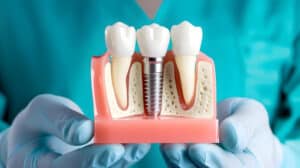
A dental implant is an artificial tooth root placed in the jaw. The treatment is designed to restore both function and appearance for people who have lost one or more teeth. But an implant can only succeed if there is enough healthy bone in the area to hold it. This bone serves to anchor the implant in place and ensures the tooth replacement is strong and long-lasting.
When teeth are lost or removed without replacement, resorption can occur. Resorption is the gradual loss of bone that happens when the jaw no longer receives stimulation from natural tooth roots. The body begins to absorb the bone tissue because it is no longer being used. Over time, the ridge that once supported the tooth becomes thinner and weaker.
If bone loss has already happened in the area where an implant is planned, grafting can restore what is missing. The grafted material gives the jaw the volume and density it needs to support the implant, so the final restoration functions like a natural tooth.
Common Causes of Jawbone Loss
Several conditions can leave the jaw without enough bone to support an implant:
- Periodontal disease. This is the leading cause of bone loss in the oral cavity. Advanced gum disease attacks the tissues that support the teeth, including the bone itself.
- Missing teeth. When a tooth is lost and never replaced, the bone in that area slowly resorbs over time.
- Ill-fitting dentures. Dentures that do not fit well can put uneven pressure on the jaw and contribute to bone loss.
- Facial trauma. An injury to the face can damage the jawbone and create areas that need grafting before implant placement.
These issues are common reasons why a bone graft may be recommended for implant sites with inadequate bone structure. Identifying the cause of the bone loss is an important part of planning the treatment.

Is Bone Grafting Always Needed for Implants?
Not every implant patient needs a bone graft. The need is determined by the amount of bone available at the implant site and how well that bone can support the implant. After a tooth extraction, if the walls of the socket are very thick, they will usually fill naturally with bone in two to three months. In these cases, the implant may be placed without a separate grafting procedure.
However, when the socket walls are very thin, such as in the upper and lower front teeth, this type of healing is not as predictable. The bone may not regenerate enough to give the implant a secure hold. In these situations, grafting is more likely to be needed.
The decision is made during the examination. The periodontist assesses the thickness of the socket walls, the overall density of the jawbone, and the size of the area where the implant will go. If the jaw can support the implant on its own, grafting is unnecessary. If not, a graft creates that support.
When Is Bone Grafting Performed?
Bone grafting can be done at different points in the implant process, depending on the condition of the jaw:
- At the time of tooth extraction. A periodontist may place a bone graft immediately after extracting a tooth. This preserves the socket and prepares the area for future implant placement.
- As a separate procedure before implant surgery. If significant bone loss has already occurred, the graft is performed first. The implant is placed after the grafted area has healed and integrated with the surrounding bone.
- For other dental needs. Beyond implants, grafting can halt the progression of gum disease or improve the aesthetic appearance of the smile.
The timing is based on the individual patient. Some people need a graft at the time of extraction, while others may need one months later. The treatment plan is developed during the consultation, after the jaw has been evaluated.
What to Expect From a Timonium Bone Grafting Consultation
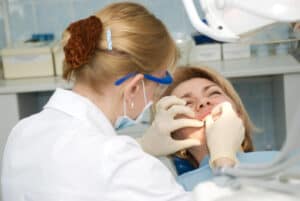
During a consultation for dental implants, the periodontist reviews the health of the gums, the condition of the jawbone, and the quality of the bone at the proposed implant site. The examination helps determine whether there is enough bone to support an implant or whether a graft is needed first. The cause of the bone loss is also considered, since conditions like periodontal disease may need treatment before grafting can begin.
If a bone graft is recommended, the patient receives a clear explanation of why it is necessary and how it fits into the overall implant plan. The goal of the graft is to create a stable base for the implant, allowing the final restoration to be both functional and natural looking. Patients also learn whether the graft can be placed at the time of extraction, which can reduce the number of appointments needed.
Bone Grafting for Dental Implants in Timonium, MD
Timonium, Maryland, offers residents and surrounding communities a wide range of dental implant options. From periodontal specialty practices to oral surgeons and family dental offices, local providers are equipped to replace missing teeth with implants. Choosing the right provider matters because implant treatment often involves more than the placement of the implant itself. Some patients need bone grafting to restore the jawbone so it can support the implant.
West Periodontics & Dental Implants is a periodontal specialty practice in Timonium, MD, offering advanced care that includes dental implants, bone grafting, and gum grafting procedures. The practice focuses on the diagnosis and treatment of gum disease and the surgical placement of dental implants. Board-certified periodontists lead the care, bringing specialized training in the bone health that implants depend on.
For patients in the Lutherville-Timonium area, a consultation is the first step. The periodontist evaluates the implant site, reviews the dental history, and determines whether bone grafting is needed to create a stable base. If a graft is recommended, the patient can move forward knowing the jawbone is being restored to support a strong, lasting replacement tooth.
Frequently Asked Questions
These are some of the questions patients in Timonium ask most often when they are considering dental implants and bone grafting.
Is bone grafting always required for dental implants?
No. Bone grafting is needed only when the jaw lacks enough healthy bone to anchor an implant. In some cases, such as when the socket walls are thick and heal well on their own, an implant can be placed without grafting. The decision is made after an examination of the implant site and a review of the patient’s dental history.
Can a bone graft be placed at the same time as a tooth extraction?
Yes. A periodontist can place a bone graft at the time of tooth extraction to prepare the site for implant placement. This approach helps preserve the bone in the socket and can reduce the number of separate procedures the patient needs. It is a common way to set up the jaw for a future implant, especially when the socket walls are thin.
What causes bone loss around a missing tooth?
Periodontal disease is the leading cause of bone loss in the oral cavity. Other causes include missing teeth that are never replaced, ill-fitting dentures, and facial trauma. Any of these conditions can leave the jaw with too little bone to support a dental implant, which is why grafting may be recommended before implant placement.
Why does a dental implant need healthy bone?
A dental implant is an artificial tooth root that is placed in the jaw. Healthy bone anchors the implant in place and keeps the replacement tooth strong and stable over time. Without enough bone structure, the implant cannot be placed securely, and the long-term outcome may be compromised. Bone grafting restores the jawbone so it can support the implant for years to come.
Conclusion
Bone grafting is not necessary for every dental implant patient, but it can provide the foundation needed when jawbone loss makes implant placement difficult. A thorough evaluation helps determine whether grafting is needed and when it should be performed. If you are considering dental implants in Timonium, MD and are unsure whether you have enough healthy bone, West Periodontics & Dental Implants can evaluate your implant site and recommend the right treatment approach. Contact the practice today to schedule a consultation and take the next step toward a stable, long-lasting dental implant.