Losing a tooth on purpose sounds strange until that tooth is the source of the pain. A tooth extraction is one of the most common procedures in dentistry, and in many cases it is the fastest way to stop an infection, remove damage that cannot be repaired, or clear a path for a replacement tooth. Patients in Timonium and nearby Lutherville have access to general dentists, oral surgeons, and periodontal specialists who perform extractions, so the real questions tend to be about preparation, comfort, and what the days afterward look like.
This guide covers why a tooth may need to come out, the difference between a simple and a surgical extraction, how to get ready for the appointment, and a realistic recovery timeline. It also explains when a periodontal practice is the right setting, since gum disease and jawbone loss often change how an extraction and any future implant should be planned.
Why a Tooth Might Need to Be Removed
Extractions are not random. Dentists recommend them when keeping the tooth would cause more harm than removing it. The reasons fall into a few familiar categories, and understanding which one applies to you makes the consultation far more useful.
Wisdom teeth and impacted teeth
Third molars, or wisdom teeth, are the last permanent molars to emerge and the teeth most likely to need removal. When there is not enough room for them to come through properly, they can become impacted, meaning they stay trapped in the gum or bone or push in at an angle. Impacted wisdom teeth are a common source of infection, swelling, and pain, and many offices in the Timonium area list wisdom tooth removal among their routine services for exactly that reason.
Infection, decay, and structural damage
Severe tooth decay, a deep infection, or a cracked and broken tooth can reach a point where a filling, a crown, or even root canal therapy will not save it. When the tooth cannot be restored, leaving it in place risks spreading infection to the surrounding gum and bone. Local practices describe tooth extraction as appropriate for patients dealing with dental infections and tooth damage, which is the same threshold most dentists use when they recommend removal.
Gum disease and bone loss
Advanced periodontal disease damages the bone that holds teeth in place. As support is lost, a tooth can become loose enough that it cannot be maintained. In these cases the extraction is only part of the plan. The surrounding gum tissue and bone also need attention, which is why a periodontist is often involved before, during, and after the procedure.
Simple Extraction vs. Surgical Extraction
Not every extraction is the same procedure, and the difference shapes everything from appointment length to recovery.
What makes an extraction surgical
A simple extraction covers a tooth that is fully visible above the gumline and can be loosened and lifted out in one piece. A surgical extraction is needed when the tooth is broken off at the gumline, when roots are curved or stubborn, or when the tooth is still buried under gum tissue or bone, as impacted wisdom teeth usually are. Surgical cases often involve a small incision, removal of some bone around the tooth, and stitches to close the site.
Who performs the extraction
General dentists handle many routine extractions. More complex cases, deeply impacted wisdom teeth, or teeth in an area with significant gum disease or bone loss are frequently referred to a specialist. Around Timonium, oral surgery offices, general dental practices, and periodontal practices all list extractions among their services, so the right choice depends on your specific tooth and your overall oral health history rather than on a single rule.

How to Prepare for a Tooth Extraction
Preparation is mostly about information and logistics. The more your clinician knows about your health and medications, and the less you have to improvise afterward, the smoother the whole process tends to go.
Share your full medical history
Bring a complete list of medications, including anything you take for blood pressure, heart conditions, diabetes, or pain, along with any supplements and over the counter drugs. Blood thinners, certain prescriptions, and uncontrolled health conditions can affect bleeding and healing, so your dentist or periodontist needs that picture before treatment. Mention allergies, past reactions to anesthesia, pregnancy, and any history of heart conditions or joint replacements as well.
Adjust your routine before the appointment
Your office will tell you whether to eat or drink beforehand, especially if sedation is planned, and whether any medication needs to be paused. Never stop a prescription on your own. Smoking slows healing and increases complications, so many clinicians ask patients to stop well before the appointment and to avoid it during recovery. Plan to skip strenuous activity on procedure day and arrange time off if your work is physical.
Arrange a ride and clear your schedule
If you are having sedation or nitrous oxide, you will need a responsible adult to drive you home. Even with local anesthetic only, it is smart to have someone available. Keep the rest of the day light, avoid scheduling meetings or travel, and plan to rest with your head elevated.
Stock your kitchen and medicine cabinet
Fill prescriptions ahead of time if your office provides them, and stock soft foods such as yogurt, soup, applesauce, mashed potatoes, and smoothies. Skip anything you would eat through a straw, since suction can disturb the blood clot that protects the socket. Have gauze, a cold pack, and plain salt on hand for rinsing once your clinician clears you to do so.
What Happens During the Appointment
Knowing the sequence removes a lot of the anxiety. Most visits follow a predictable pattern: confirm the plan and any imaging, numb the area, remove the tooth, control bleeding, and send you home with written instructions.
Numbing and sedation options
Local anesthetic is used for essentially every extraction, so the tooth and surrounding tissue are numb before anything happens. Depending on the complexity of the case and your comfort level, your clinician may also offer nitrous oxide, oral sedation, or intravenous sedation. Discuss which option fits your health history and your schedule during the consultation rather than on the day of treatment.
The extraction itself and aftercare instructions
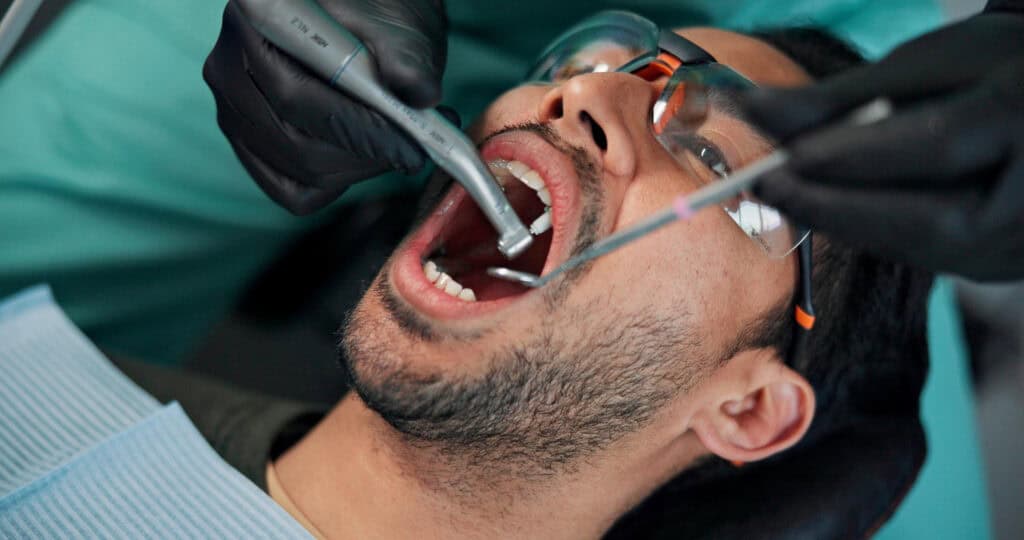
Once the area is numb, the tooth is loosened and removed. If the case is surgical, the gum may be opened, the tooth may be sectioned into pieces, and stitches may be placed. You will bite on gauze to help a clot form, and the office will send you home with instructions on bleeding, medication, ice, eating, and oral hygiene. Follow those written directions over any general advice you read online, including this article.
Bone grafting and socket preservation
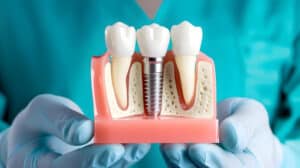
When a tooth is being removed and an implant may follow, your clinician may recommend bone grafting at the same appointment to preserve the ridge. Periodontal practices in Timonium provide bone grafting for jawbone restoration alongside extractions and dental implants, so the extraction and the long term plan for that space can be coordinated rather than handled as two unrelated events.
Recovery Timeline After a Tooth Extraction
Healing follows a broad pattern, though the details vary with the tooth, the technique used, and your health. Your office will give you specific instructions, and those take priority.
The first 24 hours
Expect some oozing and a dull ache once the anesthetic wears off. Bite firmly on gauze as directed, keep your head elevated, apply a cold pack in short intervals, and rest. Avoid vigorous rinsing, spitting, smoking, and straws, all of which can dislodge the clot and slow healing. Take pain medication exactly as prescribed or recommended, and call the office if bleeding will not slow with steady pressure.
Days two through four
Swelling and stiffness often peak in this window, then begin to ease. Soft foods and plenty of fluids remain the safest choices, and gentle salt water rinses are usually started once your clinician says it is safe. Keep the area clean without scrubbing it. Some tenderness when opening your mouth or a slight ache near the jaw is common and typically settles.
The rest of the first week and beyond
Stitches, if you have them, may dissolve on their own or be removed at a follow-up visit. Most patients return to normal routines within a few days, though the socket continues to fill in over the following weeks. If you are planning an implant, the next step is usually a healing period followed by a consultation and imaging to confirm the bone is ready.

Warning Signs to Call About
Most recoveries are uneventful, but some symptoms need prompt attention rather than patience. Contact your dental office right away if you have pain that worsens after the third day instead of improving, a fever, bleeding that will not stop, swelling that spreads toward your eye or neck, a bad taste or odor from the socket, or difficulty swallowing or breathing. Severe pain that radiates from the socket can point to a condition such as dry socket, which is treatable but should not be ignored.
Cost, Insurance, and Paperwork
Extraction costs vary widely based on whether the tooth is simple or surgical, whether sedation is used, and whether grafting is added. Insurance coverage differs just as much, and many plans cover extractions at least partially while treating grafting and sedation differently. Because pricing depends on your specific case, ask the office for a written estimate before treatment and confirm what your plan will cover. Local practices commonly accept many popular insurance plans and can explain payment options, but the details are always practice specific.
Choosing a Periodontal Practice in Timonium for Your Extraction
Many extractions are handled well by a general dentist. A periodontal practice becomes valuable when gum disease, bone loss, or a future implant is part of the picture. Periodontists are trained in the tissues that support teeth, so they can manage the extraction while also addressing the gum and bone conditions that led to it, and they can plan grafting or implant placement in the same treatment sequence. West Periodontics & Dental Implants in Timonium offers tooth extractions alongside gum disease treatment, bone grafting, and dental implants, which keeps the whole plan in one place. If you are unsure which setting is right for your tooth, your general dentist can usually advise you, and a consultation is a reasonable way to get a clear answer.
Frequently Asked Questions
Does a tooth extraction hurt?
The procedure itself is done with local anesthetic, so you should not feel sharp pain while the tooth is removed. You may feel pressure and movement, which is normal. Afterward, soreness is expected for a few days and is usually managed with medication your clinician recommends. Tell your dental team if you feel anything uncomfortable during the appointment so they can adjust.
How long does healing take after a tooth extraction?
The first few days are the most uncomfortable, and most patients feel noticeably better within a week. The gum tissue typically closes over the socket in the following weeks, while the bone underneath continues to remodel for months. Your individual timeline depends on the complexity of the extraction and your overall health. Your clinician will tell you what to expect at your follow-up visit.
What can I eat after a tooth extraction?
Stick to soft, cool, or room temperature foods for the first day or two, such as yogurt, applesauce, mashed potatoes, and soup that is not too hot. Avoid crunchy, spicy, or sticky foods, and skip anything you would eat through a straw. Chew on the opposite side, stay hydrated, and gradually add firmer foods as comfort allows.
Can I go back to work the next day?
Many people return to desk work the next day, especially after a straightforward extraction with local anesthetic. If you had sedation, if the extraction was surgical, or if your job involves heavy lifting or physical exertion, plan for more time off. Ask your clinician for guidance based on your specific procedure and recovery.
How soon can I exercise again?
Most offices advise limiting strenuous activity for the first few days because increased blood flow and jarring movement can promote bleeding and disturb the clot. Light walking is usually fine sooner. Ask your dentist or periodontist for a specific timeline that matches your extraction, and ease back into training rather than jumping straight into a hard workout.
Conclusion
Tooth extraction can be the right solution when a tooth cannot be saved or gum disease and bone loss have weakened its support. Understanding the procedure, preparing properly, and following aftercare instructions can help make recovery smoother. If you need an extraction and also have gum disease, bone loss, or plans for a dental implant, schedule a consultation with West Periodontics in Timonium, MD to discuss your treatment options and take the next step toward better oral health.