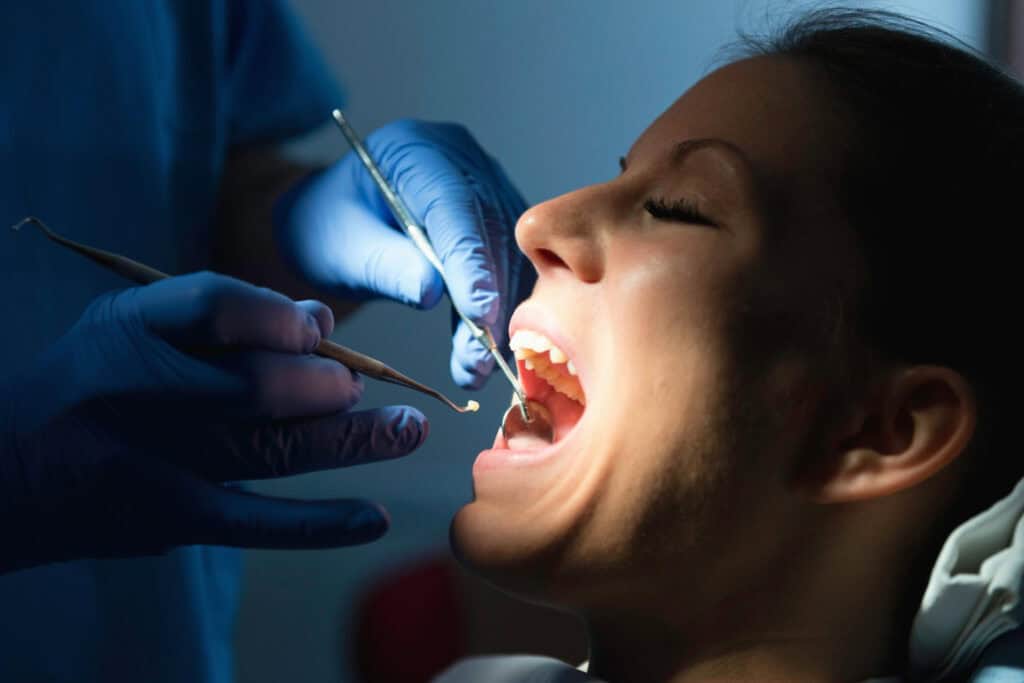
Oral surgery is a broad term, and for many people it is hard to know what it actually involves until a dentist recommends a specialist. In a periodontal practice, surgical treatment focuses on the tissues that support the teeth: the gums, the bone around the roots, and the jaw itself. West Periodontics & Dental Implants is a periodontal specialty practice in Timonium, MD, and provides advanced care for gum disease, dental implants, bone grafting, and gum grafting. The team works with patients in the Lutherville-Timonium area and the greater Baltimore region.
Some patients come to the practice after their general dentist spots a problem during a routine exam. Others decide to schedule a consultation because they have concerns about their gums, a missing tooth, or a change in how their bite feels. Talking through those concerns in a relaxed office setting is often the first step toward knowing whether surgery is truly needed.
The sections below describe the main surgical services associated with oral surgery in this area and explain what they are designed to accomplish.
Why a Periodontal Practice Treats Oral Surgical Needs
Periodontists are dental specialists who complete additional training beyond dental school. That training focuses on the prevention, diagnosis, and treatment of conditions that affect the gums and the bone supporting the teeth. It also includes the surgical placement of dental implants.
This background matters because many surgical procedures are performed to support the long-term health of the remaining teeth. A person with advanced gum disease may need surgical treatment to control the disease. A person missing a tooth may need grafting before an implant can be positioned. When a treatment plan includes surgery, patients benefit from seeing someone who performs those procedures regularly.
Periodontal treatment plans are designed around the individual. No two smiles are exactly the same, and the examination gives the doctor the information needed to recommend a sensible approach.
Dental Implants and Guided Implant Surgery
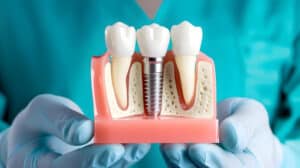
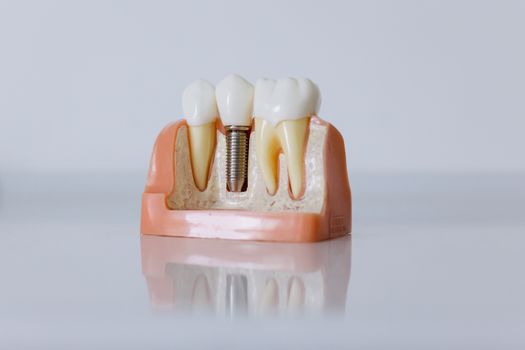
Dental implants are one of the common surgical procedures requested by patients looking for a reliable way to replace missing teeth. An implant is placed into the jawbone, where it supports a crown, bridge, or other restoration. For many patients, the implant feels and functions close to a natural tooth.
West Periodontics offers dental implant placement and guided implant surgery. Guided surgery uses careful pre-surgical planning to identify the best position for the implant before the procedure. That planning is especially helpful when the available bone is limited or when several teeth need to be replaced.
The health of the gums and jawbone has a direct effect on whether an implant will succeed. If either area is compromised, grafting may be recommended before or during the implant visit. The periodontist can lay out that entire sequence during the consultation.
Gum Grafting for Receding Gums
Gum recession occurs when the gum tissue surrounding a tooth wears away or pulls back from the crown. Teeth may look longer, and exposed roots can be sensitive to hot and cold foods or to brushing.
Gum grafting is a surgical procedure used to cover exposed roots and strengthen thin gum tissue. A small piece of tissue is moved to the recession area and secured in place. Over time, the graft heals with the surrounding gum. For patients with visible recession, grafting can reduce discomfort and improve the appearance of the smile.
Periodontal practices see gum recession often. Because the problem involves the soft tissue around the teeth, it falls directly within a periodontist’s specialty.
Bone Grafting for Jawbone Restoration
The jawbone acts as the foundation for the teeth. After a tooth is lost, the bone in that spot no longer gets the same amount of stimulation, and it can shrink over time. This makes the ridge narrower and can complicate future implant placement.
Bone grafting restores bone in the weakened area and creates a stronger foundation for treatment. Graft material is placed where bone has been lost, and the body gradually builds new bone over that framework.
When a tooth is removed and an implant is planned, grafting may be performed at the time of the extraction or as a separate step. Patients who are told they lack enough bone for an implant should ask whether grafting is the right solution for them.
Tooth Extractions in a Periodontal Setting
Tooth extraction is commonly described as a simple dental procedure, but surgical extractions can be more involved when the tooth is damaged, deeply decayed, or positioned in a difficult area.
At West Periodontics, extraction is rarely the end of the story. A tooth may be removed because it cannot be saved, because it is in the way of an implant, or because gum disease has damaged the supporting bone beyond repair. After the tooth is gone, the periodontist can discuss the next steps for restoring the area.
Talking about grafting and implants before the extraction occurs can help patients feel more prepared, since the overall plan often looks beyond the removal visit.
Gum Disease Treatment and Periodontal Consultations
Periodontal consultations are a standard first visit at the practice. The doctor reviews the dental history, looks at the condition of the gums, and checks for signs of loose teeth or recession. This helps determine whether a surgical procedure is necessary and which one best fits the situation.
Gum disease treatment is one of the core services of West Periodontics. The disease attacks the gums and, in advanced stages, the bone below the gumline. Surgical treatment may be part of the plan when the disease is severe, especially when a patient also wants dental implants or grafting.
Who Performs Oral Surgery at West Periodontics?
The doctors at West Periodontics are board-certified periodontists. Dr. Brandon West and Dr. Clifford Zdanowic provide the surgical care and bring a professional background shaped by military service. Their approach to oral surgery in Timonium, MD, is calm, structured, and focused on patient comfort.
For a patient who feels anxious about surgery, knowing that the procedure will be performed by a periodontist can offer reassurance. Periodontal specialists are trained to handle gum tissue, bone grafts, and implants in complex situations that require advanced training and experience.
What to Expect During a Timonium Oral Surgery Visit
The first appointment for oral surgery in Timonium, MD, is a consultation, not a procedure. The periodontist takes time to explain what is causing the concern, why it matters, and what surgical and non-surgical options are available.
General dentists in the Lutherville-Timonium area often refer patients who need grafting, implants, or advanced gum care. The practice also welcomes patients who call directly to ask for an appointment because they want an expert opinion.
Whatever the starting point, treatment plans are personalized. Healing periods and the number of visits depend on the specific procedure and the patient’s overall health. The doctor reviews those details clearly before any surgical work begins.
Oral surgery does not have to be a mystery. Talking with a periodontist who explains every stage of the process can make a significant difference in how comfortable a patient feels.
Frequently Asked Questions
What procedures are offered at West Periodontics?
West Periodontics offers surgical procedures such as dental implants, guided implant surgery, gum grafting, bone grafting, and tooth extractions. The practice also provides gum disease treatment and periodontal consultations. Because treatment plans are individual, the first appointment is used to identify the procedure that best matches the patient’s long-term goals.
Do I need a referral from a general dentist?
Some patients are referred by a general dentist, while others contact the practice because they have concerns. A consultation is the best way to learn which procedures apply to a specific situation. The team can explain how to schedule a first visit.
Will I need bone grafting before a dental implant?
Not every patient needs grafting before an implant. Whether it is necessary depends on the amount of bone available, the reason the tooth was lost, and the timing of the implant. The periodontist will evaluate these factors during the consultation and explain whether grafting should be done before, during, or after the implant placement.
How serious is gum disease treatment?
Gum disease is an infection of the tissues that hold the teeth in place, and advanced cases can lead to tooth loss if they are not treated. A periodontal practice treats the disease and helps protect the bone that supports the teeth. The right approach depends on how advanced the condition is.
Take the Next Step Toward Better Oral Health
Oral surgery can play an important role in treating gum disease, replacing missing teeth, restoring lost bone, and protecting the long-term health of your smile. Whether you need dental implants, gum grafting, bone grafting, or an extraction, the right treatment starts with an accurate evaluation and a personalized plan.
If you have been referred for oral surgery or have concerns about your gums, teeth, or jaw, schedule a consultation with West Periodontics & Dental Implants in Timonium, MD. Meet with an experienced periodontal team, discuss your treatment options, and get a clear understanding of what comes next.