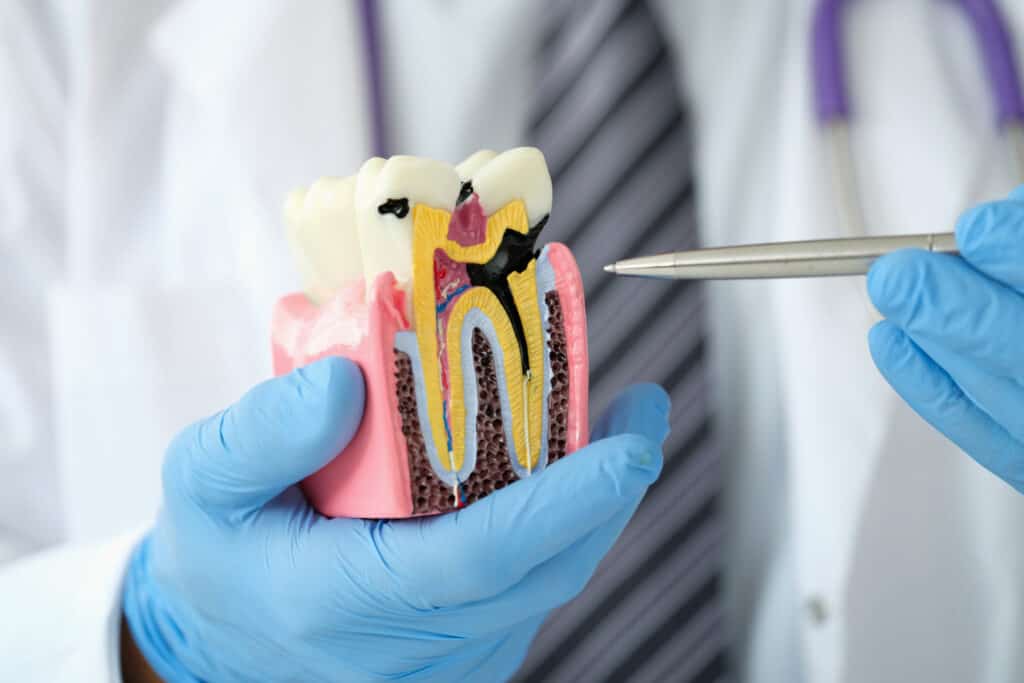
Losing a tooth affects more than your smile. The bone that once held the root in place no longer receives the stimulation that keeps it dense, and over time it shrinks. That change can make replacing the tooth difficult, because a dental implant needs solid bone to anchor into. Bone grafting oral surgery in Timonium, MD addresses that problem by adding bone material to areas of the jaw that have thinned or been damaged.
West Periodontics & Dental Implants is a periodontal specialty practice in Timonium that provides bone grafting along with dental implants, guided implant surgery, gum grafting, and tooth extractions. Periodontists focus on the tissues that support teeth, including the gums and the bone around the roots and in the jaw, which makes grafting a natural part of the care they deliver to patients in the Lutherville-Timonium area and greater Baltimore.
What a Bone Graft Does
A bone graft is a surgical procedure that places bone in areas of the jaws that are deficient in bone or need additional structural support. It does two jobs at once. It augments the healthy bone already present in the jaw, and it stimulates new bone growth, so the treated site becomes stronger over time rather than acting only as a filler.
Bone grafting is a commonly practiced procedure in oral and maxillofacial surgery, and it is equally routine in periodontal practice. Procedures vary widely depending on the size and location of the defect. Minor grafting can often be performed in the office to prepare a site for future dental implant placement. Major bone grafting procedures are typically reserved for repairing larger jaw defects, including those that result from traumatic injuries or tumor surgery, and those cases involve different planning and recovery.
Why Jawbone Deteriorates
Bone responds to use. When a tooth is lost or removed and not replaced, the bone in that area is no longer loaded by chewing forces, and resorption begins. The ridge can lose height and width over the months and years that follow.
Gum disease can produce the same outcome through a different route. Periodontal infection damages the bone that supports teeth, and advanced disease can leave a tooth with too little support to keep. When that tooth is eventually lost, the patient may be dealing with both infection-related bone loss and the resorption that follows tooth loss.
The practical result is a jaw that may not be able to hold an implant securely. That is why grafting often comes before implant placement rather than after it.
Common Types of Bone Grafting
Not every graft is the same. The procedure is planned around where the bone is missing and what the rebuilt area needs to support. Socket preservation and sinus floor elevation are two bone reconstruction procedures frequently discussed during implant planning, and they address different parts of the jaw.
| Procedure | Typical purpose |
|---|---|
| Socket preservation | Grafting an extraction site to limit ridge collapse while the area heals |
| Sinus floor elevation | Adding bone in the upper jaw near the sinus so an implant has structural support |
| Minor office grafting | Preparing a small site for a future dental implant |
| Major reconstructive grafting | Repairing larger jaw defects, such as those following traumatic injury or tumor surgery |
Which of these applies to you is determined by imaging and a clinical exam, not by symptoms alone. Bone loss can be advanced before a patient notices anything.
Bone Grafting Before Dental Implants
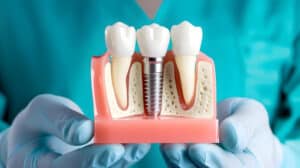
Dental implants are an aesthetic and effective solution for tooth loss, but placing one requires sufficient healthy bone structure in the area where the implant will sit. That bone anchors the implant and helps ensure the replacement tooth is strong and long lasting. When imaging shows the site is deficient, a graft rebuilds it so implant placement can proceed on a foundation that can carry normal biting force.
Timing varies. Grafting can be completed months before implant placement, or it can be done at the same appointment as an extraction as part of socket preservation. The sequence depends on how much bone is missing and where in the jaw the defect sits.
What the Procedure Involves
A bone graft procedure involves applying bone material to the site that needs rebuilding so the area can heal and regenerate. Depending on the size and location of the defect, a periodontist or oral surgeon may perform the graft in the office. More extensive reconstruction may call for a different setting and a longer recovery period.
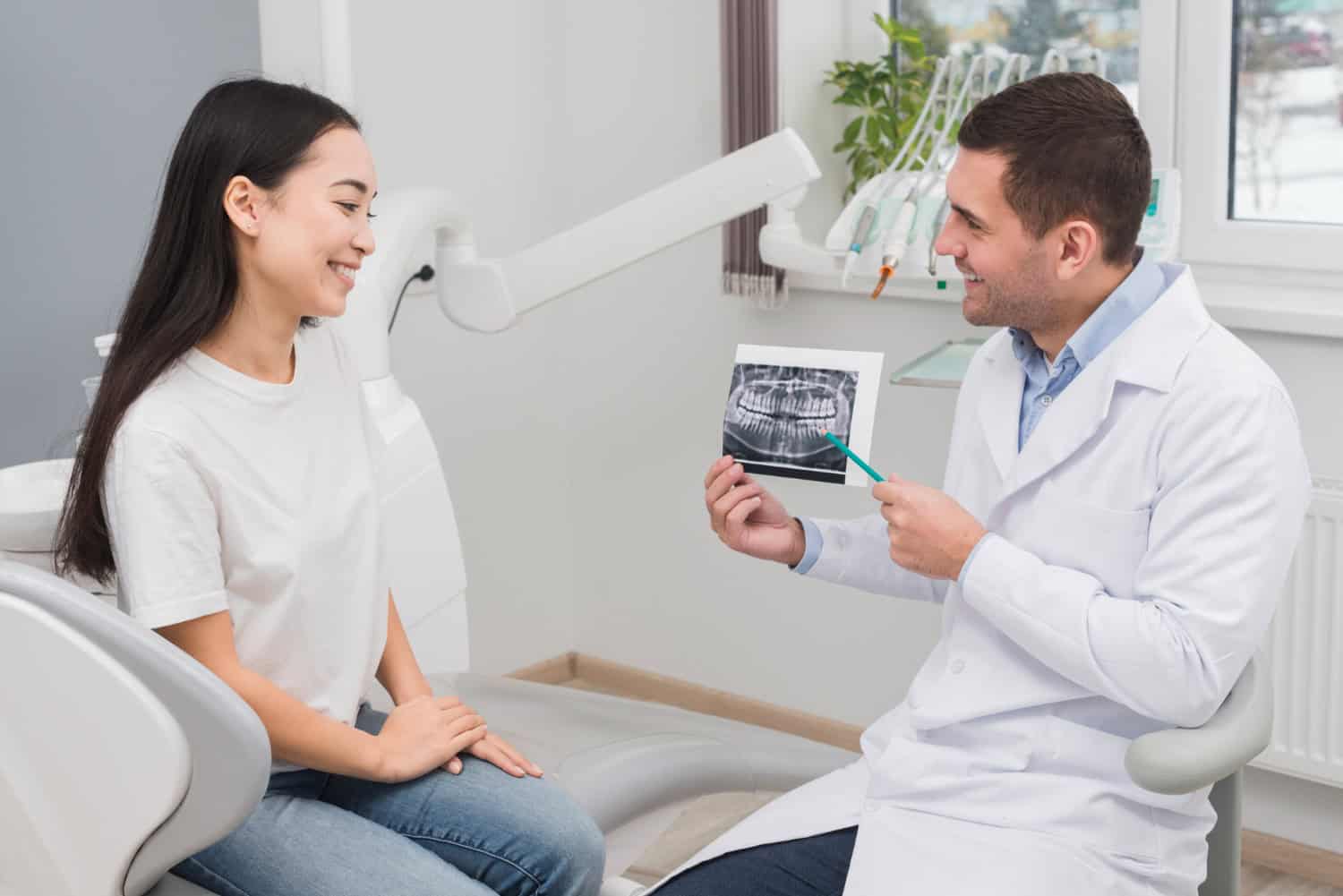
Imaging comes first. It shows how much bone remains and exactly where it is missing, and that information drives the treatment plan. After surgery, the grafted area needs time. New bone forms gradually, and the site is usually protected during that window so the graft is not disturbed.
Patients often want to know how much discomfort to expect. Most grafting is well tolerated, and practices provide aftercare instructions covering activity, eating, and how to clean around the surgical site. Specific instructions should always come from the clinician who performed your procedure.
Who Might Be a Candidate
- Someone who lost a tooth and waited to replace it, and now has a ridge that has shrunk.
- Someone planning a dental implant where imaging shows insufficient bone to anchor it.
- Someone having a tooth removed who wants to limit bone loss at that site through socket preservation.
- Someone whose jaw has been affected by advanced gum disease.
- Someone with a jaw defect from injury or previous surgery, which may require a larger reconstructive graft.
Age alone does not determine candidacy. Overall health, smoking, gum health, and the specifics of the defect all play a role, and those factors are reviewed during a consultation.
Choosing a Provider in the Timonium Area
Patients in Timonium, Lutherville, and the greater Baltimore area have a range of options, including periodontal practices and oral and maxillofacial surgery practices. Both perform bone grafting. What matters most is that the clinician evaluating you is trained in the procedure, can walk you through the imaging that supports the recommendation, and can explain how the graft fits into a larger plan for replacing the tooth.
West Periodontics & Dental Implants handles bone grafting within a periodontal specialty practice, alongside dental implants, guided implant surgery, gum grafting, and tooth extractions. That combination matters when the reason for grafting is gum disease or when the graft is the first step toward an implant.
Questions to Ask at a Consultation
- What does my imaging show, and how much bone is missing at the site?
- Is grafting needed before an implant, or can the implant be placed without it?
- Which type of graft is recommended for my situation, and why?
- Will the graft be done in the office, and what does recovery involve?
- What does my dental insurance cover, and what will I owe?
- How long before the site is ready for the next step?
Insurance is a common source of confusion with grafting, since coverage varies by plan and by the reason the graft is needed. Ask for a written estimate before scheduling.
Frequently Asked Questions
Can an oral surgeon do a bone graft?
Yes. Bone grafting is a commonly practiced procedure in oral and maxillofacial surgery, and oral surgeons perform both minor office-based grafts and larger reconstructive procedures. Periodontists also perform grafting, particularly when the graft supports implant placement or treats bone loss related to gum disease. Which specialist you see often depends on your diagnosis and who referred you.
When is it too late for a bone graft?
That is a clinical judgment that a general answer cannot settle. Bone loss does progress over time, but grafting can rebuild deficient areas in many cases, and the procedure varies widely depending on the size and location of the defect. A consultation with imaging is the only reliable way to know what is possible at your site.
Why doesn’t dental insurance cover bone grafts?
Coverage depends on the plan and on why the graft is needed. Some plans treat grafting as a covered surgical benefit when it is tied to an extraction or another covered procedure, while others classify it differently. Because policies vary so much, request a written estimate from the practice and confirm the details directly with your insurer.
How much does a dental bone graft cost?
Fees depend on the size of the graft, the material used, its location in the jaw, and whether it is performed at the same time as another procedure. Practices set their own fees, so cost is best confirmed with the office where you are treated. Ask for an itemized estimate that separates the graft from any implant or extraction charges.
Does a bone graft hurt?
Grafting is a surgical procedure, so some soreness and swelling afterward is expected, and aftercare instructions cover how to manage it. Most minor grafts performed in the office are well tolerated, and discomfort typically eases as the site heals. If pain increases rather than settles, contact your treating office promptly.
Conclusion
Bone grafting can help rebuild lost jawbone and create a stronger foundation for dental implants or other restorative treatment. Whether you need socket preservation, a sinus floor elevation, or another type of graft depends on your bone structure, oral health, and treatment goals. If you have been told you may need a bone graft, don’t wait to explore your options. Contact West Periodontics & Dental Implants to schedule a consultation and find out whether bone grafting is the right step toward restoring your oral health and replacing missing teeth.