Gum disease rarely announces itself with pain. It often begins with bleeding while flossing, mild swelling, a little tenderness, or gums that simply look different without causing much discomfort. Because those early changes are easy to explain away, plenty of adults in Timonium and the surrounding Baltimore area live with an active infection for months before they realize something is wrong.
Periodontal disease, also called periodontitis, is a progressive condition and the leading cause of tooth loss among adults in the developed world. It affects the tissues that surround and support the teeth. Knowing what to watch for is the first step toward catching it while treatment is still straightforward.
Bleeding Gums Are Usually the First Clue
Bleeding when you brush, floss, or eat food is one of the most common symptoms of a periodontal infection. It can also appear alongside pain, redness, or swelling. Many people assume a little pink on the floss means they were too aggressive or that they need to floss more often, but healthy gum tissue does not bleed during normal oral care. Bleeding is a sign that the gingiva is inflamed and irritated.
It also does not have to be dramatic. A trace of blood when you rinse after brushing counts. So does bleeding that shows up only occasionally, then seems to resolve on its own. Gum disease does not resolve on its own, even when the bleeding pauses for a while.
Changes in How Your Gums Look and Feel
Gums may be red, swollen, or tender. Some patients notice gums that look reddish or purplish rather than a healthy pink. Others describe a soreness that was not there before, or gum tissue that feels puffy or tender to the touch. Redness and swelling during brushing or flossing are the classic early picture, and if they are not addressed, gingivitis can progress to more severe forms of gum disease.
Recession is another visible change. Gums may pull away from the teeth, making the teeth appear longer than they used to. Patients sometimes notice this in photographs before they notice it in the mirror. When the gum line moves down the root of a tooth, the tooth looks longer and the space between teeth can look wider or darker.
Tenderness, Soreness, and Tooth Sensitivity
Gum disease does not always hurt, which is part of why it goes unnoticed. When discomfort does appear, it may show up as soreness in the gums, tenderness when you touch the area, tooth sensitivity, or a toothache. Sensitivity commonly follows gum recession, because the exposed root surface is not protected by enamel the way the top of the tooth is.
These symptoms can be mild enough to ignore for a long stretch. A dull ache that comes and goes, or a tooth that reacts to temperature, is worth mentioning at your next dental visit rather than waiting for it to become constant.
Bad Breath, Unpleasant Taste, and Pus
Persistent bad breath, also called halitosis, is frequently linked to periodontal infection. Patients may also notice an unpleasant taste in the mouth that does not go away after brushing. These signs come from the bacterial activity happening around and below the gum line.
More advanced signs include pus between the teeth or gums and mouth sores. Pus is a clear indication that an active infection is present and needs professional attention. If you notice it, do not wait for a routine cleaning appointment.
Loose Teeth and a Changing Bite
Loose teeth and gum recession belong to the later, more serious end of the symptom list. Longer-looking and loose-feeling teeth can indicate recession of the gums and bone loss as a result of periodontal disease. Patients sometimes describe a tooth that shifts slightly, feels unstable when they bite, or moves in a way it never did before.
Changes in the fit of your bite can fit the same pattern. If your teeth suddenly meet differently, or if chewing feels uneven, the supporting structures underneath may be losing bone. Untreated periodontal disease can eventually lead to loose teeth or tooth loss, which is why these symptoms deserve prompt evaluation rather than a wait-and-see approach.
Why Gum Disease Produces These Symptoms
Periodontal disease occurs when the toxins found in plaque begin to irritate or inflame the gingiva, which is the gum tissue. The resulting bacterial infection, often known as gingivitis, can eventually lead to the destruction of the gum tissue and the underlying bone. That progression explains the symptom pattern: bleeding and redness first, then recession and sensitivity, then looseness as bone support is lost.
Bacteria build up around the teeth and gums when there are leftover food particles, often in areas that are hard to reach. The bacteria feed on those particles and release acids that irritate the gum tissue. Over time, patients may experience bleeding gums, redness, and sensitivity, or even changes in the fit of their bite. Because gum disease is often avoidable with routine dental care and good oral hygiene, regular visits matter even when nothing feels wrong.
Why the Warning Signs Are So Easy to Miss
The early stage of gum disease can look like almost nothing. It may begin with bleeding while flossing, mild swelling, a little tenderness, or gums that seem to look different without causing much discomfort. There is no dramatic moment that sends someone to the phone to book an appointment.
That quiet start is exactly what makes the condition risky. Symptoms tend to build gradually, and the mouth adapts. Patients get used to a slightly different gum line or a tooth that feels a touch loose. By the time the changes are obvious, more supporting tissue may already be affected.
When to See a Periodontist in Timonium
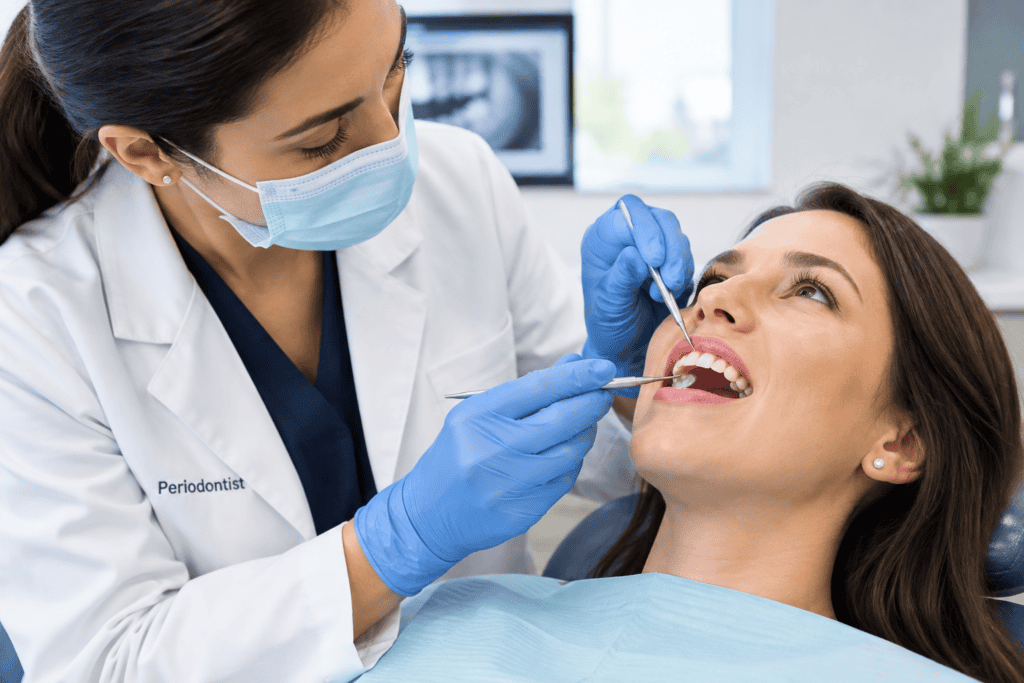
If you notice one or more of the symptoms discussed here and they persist or worsen, it is reasonable to have your gums evaluated by a specialist. A periodontist focuses on the structures that support the teeth, which is precisely where gum disease does its damage.
West Periodontics & Dental Implants in Timonium, MD provides periodontal consultations and advanced gum disease treatment for patients in Timonium, Lutherville, and the greater Baltimore area. The practice is led by board-certified periodontists and emphasizes a patient-centered, comfortable approach to care. A consultation is an opportunity to find out what your symptoms mean, how much support your teeth still have, and what options are available.
What Periodontal Care Can Involve
Treatment depends on what the examination finds. Services available at a periodontal specialty practice include:
- Gum disease treatment and periodontal consultations
- Gum grafting for gum recession
- Bone grafting for jawbone restoration
- Dental implants, including guided implant surgery, for missing teeth
- Tooth extractions when a tooth cannot be saved
Gum grafting and bone grafting exist because the damage from periodontal disease is structural. Receding gums and lost bone do not grow back on their own, so restoring those tissues sometimes becomes part of the plan. Implants address the other end of the problem, replacing teeth that were lost.
Frequently Asked Questions
What are the most common signs of gum disease?
Bleeding when brushing, flossing, or eating is one of the most common symptoms of a periodontal infection. Other frequent signs include red, swollen, or tender gums, gum recession, tooth sensitivity, persistent bad breath, toothaches, loose teeth, and pus between the teeth or gums. Early symptoms can be mild enough that many people do not notice them without a professional examination.
Can gum disease cause loose teeth?
Yes. Loose teeth and gum recession are recognized signs of periodontal disease. Longer-looking and loose-feeling teeth can indicate recession of the gums or bone loss as a result of the condition. Because periodontal disease is progressive and a leading cause of tooth loss among adults, a tooth that feels unstable should be evaluated rather than watched at home.
Do bleeding gums always mean I have gum disease?
Bleeding during brushing, flossing, or eating is one of the most common symptoms of a periodontal infection, and it is not something healthy gums should do. That said, only a clinical examination can confirm what is causing it. If bleeding shows up repeatedly, having your gums checked is the sensible next step.
Will gum disease go away on its own?
Periodontal disease is described as a progressive condition, meaning it can keep advancing without treatment. When the toxins in plaque irritate the gum tissue, the resulting infection can eventually destroy gum tissue and underlying bone. Routine dental care and good oral hygiene help prevent gum disease, but once symptoms appear, professional evaluation is what determines the appropriate treatment.
What happens at a periodontal consultation?
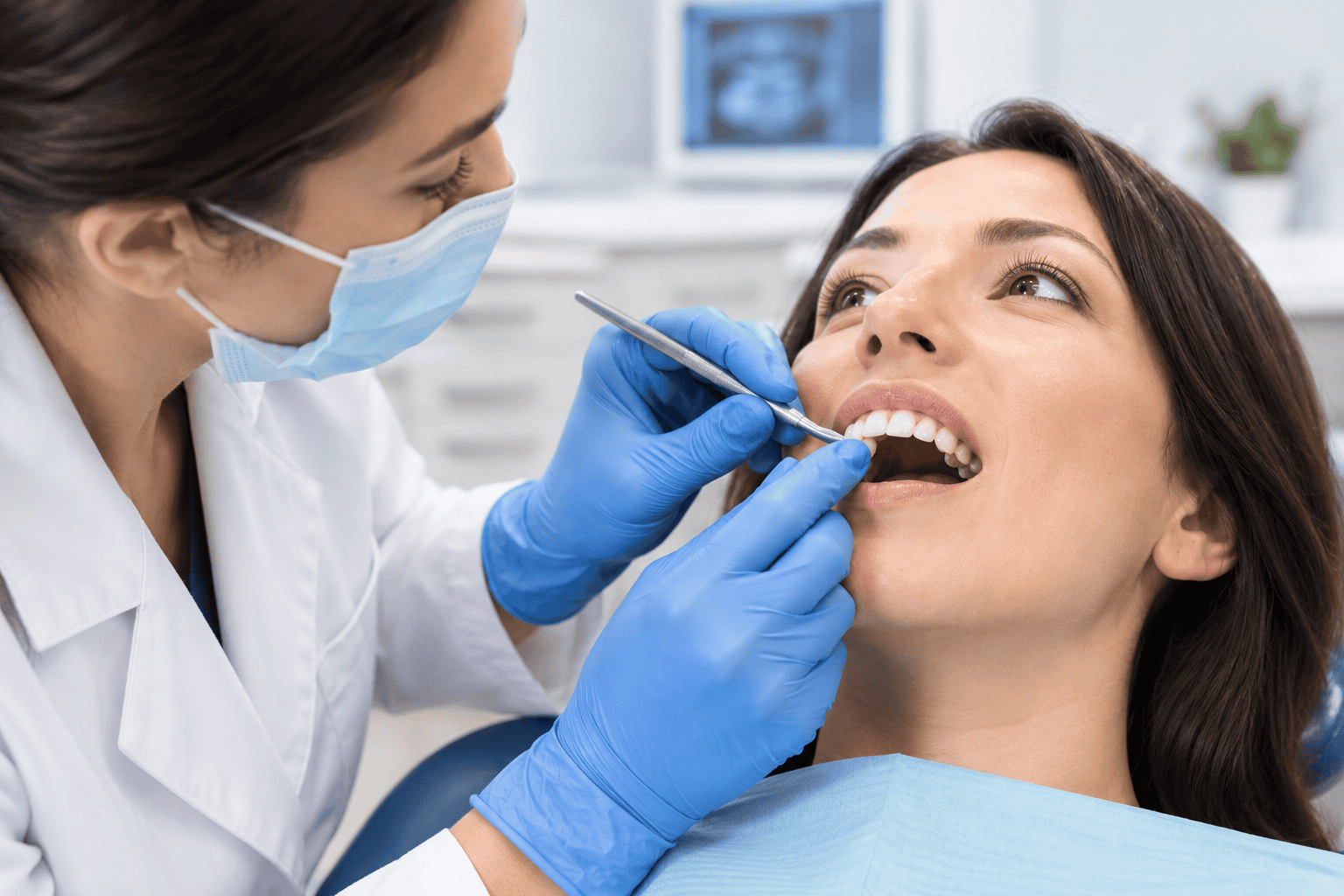
A consultation is where you describe what you have noticed, including bleeding, tenderness, recession, bad breath, or a tooth that feels loose. The periodontist examines the tissues that support your teeth and discusses findings and treatment options with you. If you have been referred by a general dentist, that existing relationship can help guide the conversation.
Gum disease gives you warnings, but they are quiet ones: a little blood on the floss, a gum line that shifted, a tooth that moves slightly, breath that never feels fresh. Any one of those observations is a reasonable reason to book an evaluation with a periodontist in Timonium, because the earlier the infection is identified, the more of your natural gum and bone support can potentially be preserved.