Gum disease is the leading cause of tooth loss in adults, and it usually begins with something as ordinary as plaque left undisturbed along the gumline. West Periodontics & Dental Implants provides periodontal services in Timonium, MD, built around diagnosing gum disease early and treating it with the least invasive approach that will actually work. That range of care runs from non-surgical therapy for gingivitis and early periodontitis to surgical procedures such as gum grafting, bone grafting, tooth extractions, and dental implant placement. Knowing what each option does makes it easier for patients in Timonium, Lutherville, and the greater Baltimore area to ask useful questions and feel steadier about their treatment decisions.
What Periodontal Disease Is and How It Progresses
Periodontal disease, commonly called gum disease, is an inflammation and infection of the gum tissues. It includes the stages known as gingivitis and periodontitis. When plaque and tartar are left untreated on teeth and gums, gum disease may develop. That single fact explains why routine professional cleanings and consistent daily home care carry so much weight in prevention.
This is not a minor cosmetic issue. Periodontal disease is the leading cause of tooth loss in adults, which means the condition affects the structures that hold teeth in place, not just the surface of the gums. Because the earlier stages generally respond well to treatment and advanced disease is harder to manage, an evaluation is often the most valuable step a patient can take. A periodontist can identify where a patient sits on that spectrum and what level of treatment is appropriate.
Non-Surgical Periodontal Treatment Options
Many times, the early stages of periodontal disease are treated without surgery. Periodontal practices that take a conservative approach limit surgery to the areas where it is absolutely necessary, which means a large share of patients begin with non-surgical therapy rather than a surgical procedure.
Scaling and root planing is the non-surgical procedure used to treat periodontal disease. It cleans deposits from the tooth surfaces and the root surfaces below the gumline, giving the gum tissue a chance to heal and reattach. For patients with gingivitis or early periodontitis, this type of treatment is frequently the first recommendation.
Non-surgical treatment also serves as a starting point for planning. If the gums respond well, a patient may move into a maintenance schedule rather than a surgical route. If some areas do not respond, the periodontist can then target surgery only to those specific sites instead of treating the entire mouth. That step-by-step approach keeps treatment proportional to the disease.
Surgical Periodontal Procedures: A Closer Look
Surgery becomes appropriate when disease has advanced beyond what non-surgical therapy can resolve, or when the goal is to restore structure that has already been lost. The procedures below are the surgical services offered at the practice.
| Procedure | What it addresses |
|---|---|
| Gum grafting | Gum recession, where gum tissue has pulled back from the tooth |
| Bone grafting | Jawbone that has been lost or has deteriorated |
| Tooth extractions | Teeth that cannot be saved |
| Dental implants | Failing or missing teeth |
| Guided implant surgery | Precise planning and placement of dental implants |
Gum Grafting for Gum Recession
Gum grafting treats gum recession, where the gum tissue has moved away from the tooth and exposed more of the tooth or its root. A periodontist assesses how much recession is present, how healthy the surrounding tissue is, and how the recession affects comfort and long-term dental health. Patients who notice that their teeth appear longer than they once did are often looking at recession. An evaluation confirms whether grafting is the right answer, and whether it should be done now or monitored over time.
Bone Grafting for Jawbone Restoration
Bone grafting restores jawbone that has been lost or has deteriorated. Bone loss commonly follows tooth loss and can also result from advanced gum disease. When the jawbone is thin or depleted, placing a dental implant becomes difficult or impossible, and even routine restorations can be compromised. A bone graft rebuilds enough of the ridge to support an implant or another restoration. Your periodontist determines whether grafting is needed after evaluating the site directly.
Tooth Extractions When a Tooth Cannot Be Saved
When periodontal disease or another condition has damaged a tooth beyond repair, extraction may be the recommended path. Removing a failing tooth can also protect the surrounding bone and gum tissue from further harm. The procedure is part of a larger plan rather than an endpoint, and patients typically discuss replacement options such as a dental implant during the same treatment conversation.
Dental Implants and Guided Implant Surgery
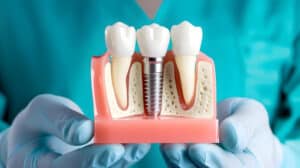
Dental implants replace failing or missing teeth with restorations designed to last. The practice offers guided implant surgery, which uses planning to position the implant accurately within the jaw. Guided placement matters because implant success depends on having enough bone and on putting the implant where the final restoration will work best. For many patients, bone grafting and implant placement are planned together so the site is ready when it is time to place the implant.
Laser Treatments in Periodontal Care
The practice also offers laser treatments as part of its periodontal services. Laser technology gives periodontists another tool for treating gum tissue with care and precision. If you are curious about whether a laser approach applies to your situation, ask during your consultation. The team can explain which parts of your treatment might involve laser therapy and which parts will not, so you know exactly what to expect before anything begins.

Choosing a Periodontal Practice in the Lutherville-Timonium Area
Patients searching for a periodontist in Lutherville-Timonium have several options, and the differences between practices often come down to credentials, scope of services, and how treatment decisions get made. When comparing periodontal practices, look for providers with appropriate periodontal training, experience with the procedures you may need, and a clear approach to developing personalized treatment plans. It can also be helpful to choose a practice that offers a broad range of gum and implant treatments in one location, particularly if your care may involve multiple stages.
It also helps to ask questions before treatment starts. Ask how the practice decides between non-surgical and surgical care, whether surgery would be limited to specific areas, and what maintenance looks like afterward. A practice that explains its reasoning clearly is easier to partner with over the long term, especially since periodontal disease is a condition that is managed rather than cured in a single visit.
Daily Habits That Protect Your Gums After Treatment
Treatment addresses the disease that is present. Home care and professional maintenance keep it from returning. You can reduce your risk of gum disease by brushing twice and flossing once every day. You should also have a dental exam and professional cleaning at least twice each year. Patients who have been treated for periodontal disease often need a maintenance schedule tailored to their history, and that schedule is set by the treating periodontist.
Consistency matters more than intensity here. Deposits that sit on teeth and gums are what allow gum disease to develop in the first place, so the daily routine and the regular professional visits work together. If your gums change between appointments, say so rather than waiting for the next scheduled cleaning. Early changes are easier to address than advanced ones.
If you are noticing changes in your gums, have been told you need periodontal treatment, or are weighing replacement options for a failing tooth, a consultation with a periodontist in Timonium is the clearest way to find out where you stand and what your choices are.
Frequently Asked Questions
Can gum disease be treated without surgery?
In many cases, yes. The early stages of periodontal disease can often be managed with non-surgical treatment such as scaling and root planing, along with improved home care. Periodontal practices that take a conservative approach limit surgery to the areas where it is truly needed. Your periodontist will recommend surgery only if the disease has advanced beyond what non-surgical therapy can address.
What happens during scaling and root planing?
Scaling and root planing is a non-surgical periodontal procedure used to treat gum disease. It cleans deposits from the tooth surfaces and root surfaces so the gum tissue can heal. Because the early stages of periodontal disease respond well to this type of treatment, it is often the first recommendation. Your periodontist may follow it with a maintenance schedule to keep the disease from returning.
How do I know if I need a gum graft?
Gum grafting is used to treat gum recession, where the gum tissue has pulled away and exposed more of the tooth or root. A periodontist evaluates the amount of recession, the health of the surrounding tissue, and how it affects your comfort and long-term dental health. If you have noticed that your teeth look longer than they used to, an evaluation can confirm whether grafting is appropriate.
What is bone grafting used for?
Bone grafting restores jawbone that has been lost or has deteriorated. Bone loss is common after tooth loss and can also result from advanced gum disease, and it can make placing dental implants difficult. A bone graft rebuilds enough of the ridge to support an implant or another restoration. Your periodontist will determine whether grafting is needed after evaluating the site.
Do I need a referral to see a periodontist in Timonium?
Many patients arrive after a referral from their general dentist, and West Periodontics provides a referral form for those offices. Patients can also book an appointment directly if they have concerns about their gums. If you are unsure whether your situation needs a specialist, call the office and describe what you are experiencing. The team can tell you whether an evaluation makes sense.
Conclusion
Gum disease can progress quietly, but timely periodontal care can help protect your gums, teeth, and supporting bone. From non-surgical treatment and gum grafting to bone grafting and dental implants, the right approach depends on the condition of your gums and the extent of damage. If you are experiencing bleeding gums, gum recession, loose teeth, or other changes in your oral health, do not wait for the problem to worsen. Schedule a periodontal evaluation in Timonium, MD to understand what is affecting your gums and get a treatment plan tailored to your needs.