
Gum disease usually begins quietly. Plaque left undisturbed along the gumline sets off an infection, and in its earliest stage the only sign may be gums that bleed when you brush or that feel tender and swollen. Left unaddressed, that infection can advance into periodontitis, the leading cause of tooth loss in adults. Bleeding or sensitive gums are reason enough to have someone look at them.
West Periodontics & Dental Implants provides periodontal services in Timonium, MD, and builds its care around one idea: diagnose gum disease early and treat it with the least invasive approach that will actually work. That range of care runs from non-surgical therapy for gingivitis and early periodontitis to surgical procedures such as gum grafting and bone grafting. Here is how that path typically unfolds, from first exam to follow-up.
What a Periodontist Does Differently
A periodontist specializes in gum health, jawbone support, and the structures that hold teeth in place. That makes a periodontist uniquely qualified to manage implant care as well as gum disease, since implants depend on the same bone and tissue that periodontal infection damages. Periodontics covers the prevention, diagnosis, and treatment of periodontal disease, which includes the stages known as gingivitis and periodontitis.
West Periodontics & Dental Implants is a periodontal specialty practice, and its team of board-certified periodontists treats gum conditions using both nonsurgical and surgical techniques. Patients in Timonium and the surrounding Lutherville area can be seen for gum disease, gum recession, bone loss, and missing teeth, often without being handed off to a different office mid-treatment.
Step One Is Always a Diagnosis
Treatment does not start with a procedure. It starts with an examination. A periodontal evaluation looks at the teeth and gums directly and assesses how the supporting structures around each tooth are holding up. The findings determine whether what is happening is gingivitis, an inflammation of the gum tissue, or periodontitis, the more advanced form of the disease.
The distinction matters because the two do not call for the same treatment. Gingivitis and early periodontitis often respond to non-surgical therapy, while more advanced disease may require a surgical approach. A periodontist will also ask about your symptoms, since bleeding, swelling, and sensitivity are frequently the first clues patients notice. Only after that picture is clear does a treatment plan get recommended.
Non-Surgical Treatment: Scaling and Root Planing
The most common treatment for gum disease is known as deep cleaning, or scaling and root planing. It is a two-step process that reduces the prevalence of harmful oral bacteria and minimizes the impact of uncomfortable gum symptoms. In many offices, a hygienist can perform this gentle and effective removal of bacterial deposits as part of the periodontal treatment plan.
Why It Is Called a Deep Cleaning
A routine cleaning addresses what sits above the gumline, but gum disease does not stay above the gumline. Scaling and root planing reaches the deposits that have collected around and below the gum tissue, where the infection lives. Because it is a two-step process, the first step targets the bacterial buildup and the second addresses the root surfaces themselves. Together, the two steps work to reduce the bacteria driving the inflammation.
What Happens After Treatment
Non-surgical therapy is not a one-time event with no follow-up. Periodontal disease is a chronic condition, so the periodontist will explain how to care for your gums at home and when to return so healing and gum health can be checked. Your specific aftercare instructions will come from your own clinician, since they depend on the extent of the treatment performed.
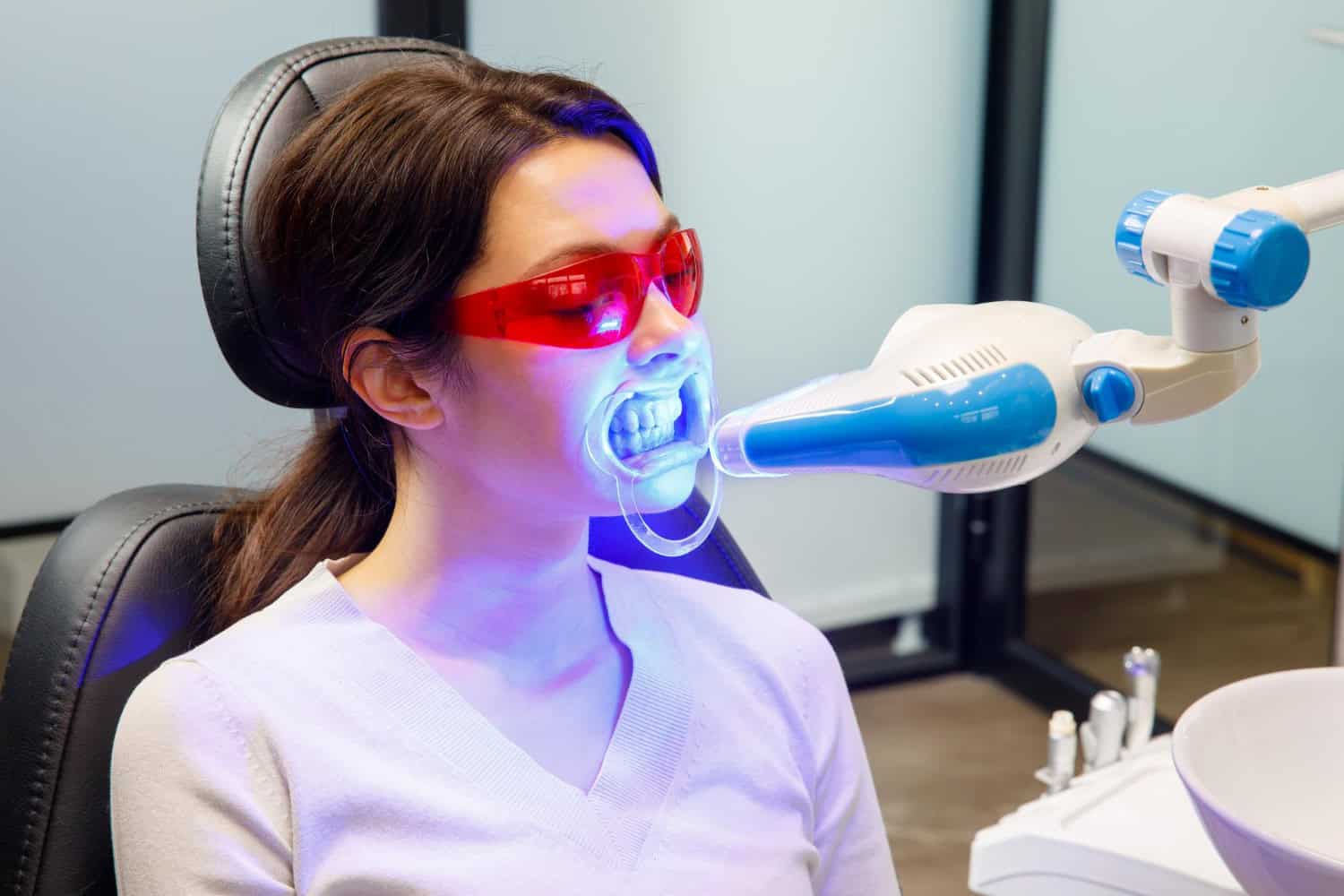
Laser-Assisted Treatment Options
Some practices also offer laser-assisted treatments such as LANAP, which take a minimally invasive approach to gum disease. This advanced method targets infected tissue and bacteria while leaving healthy structure alone where possible. For appropriate candidates, a laser-assisted approach may mean a less invasive experience than traditional gum surgery. Suitability is decided case by case, and a periodontist will explain whether it fits your situation or whether another route makes more sense.
When Surgery Becomes the Right Choice
Not every case resolves with non-surgical care, and that is not a failure. When gum disease has caused damage that therapy alone cannot address, surgical treatment can restore structure that has been lost. Two of the most common procedures are gum grafting for gum recession and bone grafting for jawbone restoration.
Gum Grafting
Gum grafting addresses gum recession, the process in which gum tissue pulls back and exposes more of a tooth than it should. A graft reinforces the tissue around the tooth, and the procedure is one of the periodontal services offered in Timonium. Whether grafting is needed, and what type is appropriate, depends on the examination and on how much tissue has been lost.
Bone Grafting
Bone grafting restores jawbone that has been lost or weakened. Bone support is what keeps teeth stable and what makes dental implant placement possible, so grafting is frequently part of a larger plan for patients who have lost teeth or who are preparing for implants. A periodontist is well positioned to coordinate that work because the specialty covers jawbone support as well as gum health.
Other Procedures Under the Same Roof
West Periodontics & Dental Implants also provides dental implants, including guided implant surgery, along with sedation dentistry, crown lengthening, wisdom teeth extractions, and tooth extractions. Having those services available in one periodontal office means a treatment plan can be carried out in one place instead of being pieced together across multiple providers.
Matching Treatment Intensity to the Stage of Disease
The general pattern is straightforward: the earlier the diagnosis, the less invasive the treatment is likely to be. The table below shows how that range of care typically lines up.
| What is happening | Signs patients often notice | Usual starting point |
|---|---|---|
| Gingivitis | Gums that bleed or feel swollen and sensitive | Non-surgical periodontal therapy |
| Early periodontitis | Ongoing gum inflammation with changes to the supporting structures | Non-surgical therapy, including scaling and root planing |
| Advanced disease with tissue loss | Gum recession, jawbone loss, or missing teeth | Surgical care such as gum grafting or bone grafting, with laser-assisted options in appropriate cases |
That table is a general map, not a diagnosis. Your own plan may combine steps, sequence them differently, or add procedures such as crown lengthening or an extraction depending on what the examination shows.
Why Treating Early Changes the Outcome
Gum disease is the leading cause of tooth loss in adults, and it progresses. The earlier a periodontal problem is diagnosed, the more options remain on the table, including the gentlest ones. Waiting rarely improves the situation, and symptoms such as bleeding gums are easy to dismiss precisely because they seem minor.
That is why the approach at West Periodontics & Dental Implants emphasizes catching the disease early and choosing the least invasive treatment that will actually work, rather than jumping straight to surgery or, at the other extreme, waiting to see what happens.
Questions Worth Asking at Your Consultation
- Is this gingivitis or periodontitis, and how advanced is it?
- Which treatment are you recommending first, and why that one?
- Am I a candidate for non-surgical or laser-assisted care before surgery is considered?
- What does the follow-up schedule look like, and how will we measure progress?
- What will this cost, and what does my insurance cover? Costs vary by treatment and by plan, so ask the office for an estimate based on your recommended plan rather than relying on general figures.
Frequently Asked Questions
What will a periodontist do for gum disease?
A periodontist begins with a periodontal examination to determine whether you have gingivitis or periodontitis and how far it has progressed. From there, treatment may start with non-surgical therapy such as scaling and root planing, move to laser-assisted treatment where appropriate, or involve surgery such as gum grafting or bone grafting when structure has been lost.
Can you go straight to a periodontist, or do you need a referral?
You can contact a periodontal office directly and ask about an appointment. Many patients also arrive after a general dentist notices bleeding gums or other signs of gum disease during a routine visit. West Periodontics & Dental Implants is a periodontal specialty practice in Timonium, MD, so gum disease is central to the care it provides.
Is scaling and root planing painful?
Scaling and root planing is described as a gentle and effective way to remove the bacterial deposits behind gum disease, and it is the most common treatment for the condition. Comfort varies from person to person and depends on how much inflammation is present. Your periodontist can explain what to expect during and after your own treatment, including options that make the appointment more comfortable.
How much does gum disease treatment cost in Timonium?
Costs depend on which treatment you need, how many areas require care, and what your dental insurance plan covers, so no single figure applies to everyone. The practical step is to ask the periodontal office for an estimate based on your recommended plan and to confirm your coverage before treatment begins. Comparing prices alone is misleading, since the scope of treatment differs widely between cases.
Conclusion
Bleeding, swollen, or receding gums should not be something you simply live with. Early evaluation can help identify gum disease before it causes more damage to the teeth and supporting bone. If you are looking for gum disease treatment in Timonium, West Periodontics & Dental Implants can evaluate your gum health and explain the treatment options suited to your condition. Schedule a periodontal consultation today and take the next step toward healthier gums and stronger dental support.