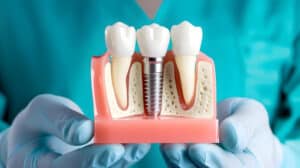

Dental implants are one of the most reliable and natural-looking solutions for replacing missing teeth. They restore more than the appearance of a smile. It restores the ability to eat, speak, and live comfortably. However, the long-term success of dental implants depends on one essential factor: having enough healthy bone in the jaw to hold the implant securely.
When bone loss occurs due to gum disease, injury, or prolonged tooth loss, the foundation for a dental implant becomes weak. This is where bone grafting comes in. Bone grafting strengthens and rebuilds the jawbone so it can provide the stability implants need to last for years, sometimes even for life. By restoring lost bone, this procedure greatly improves implant outcomes and ensures a more predictable, long-term result for patients.
Key Takeaways
- Bone grafting creates the strong foundation needed for successful dental implants.
- There are different types of bone grafts, each suited for specific situations.
- Bone grafting improves implant stability, function, and longevity.
- Advanced techniques and materials continue to enhance outcomes.
- Choosing an experienced specialist increases success rates and patient satisfaction.
What Is Bone Grafting?

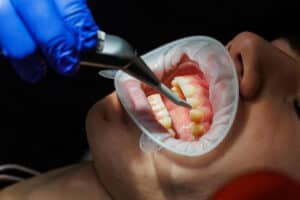
Bone grafting is a surgical procedure that restores or builds up bone in the jaw when there is not enough natural bone to support a dental implant. It involves placing bone tissue or a bone-like material in the deficient area to encourage new bone growth. Over time, the graft integrates with the patient’s own bone, creating a strong, stable structure for implant placement.
Bone loss can occur for many reasons, including periodontal disease, trauma, tooth extractions without socket preservation, or long-term denture use. Without enough bone volume, dental implants may fail to integrate properly, leading to instability or early loss. Bone grafting addresses this issue before or during implant placement, giving the implant the best possible chance of long-term success.
Types of Bone Grafts
Autografts
An autograft uses bone taken from the patient’s own body, often from the jaw, hip, or shinbone. Because the graft comes from the patient, it is highly compatible and contains natural growth factors that stimulate healing. The drawback is that it requires a second surgical site, which can increase recovery time.
Allografts
Allografts come from human donors and are processed to remove any living cells while preserving the bone’s natural structure. This type avoids the need for an additional surgery on the patient and is readily available in different forms, such as granules, putty, or blocks.
Xenografts
Xenografts are sourced from animals, usually cows or pigs, and are processed to make them safe and biocompatible. They closely resemble human bone in structure and act as a scaffold for new bone growth over time.
Alloplastic Materials
Alloplastic materials are synthetic bone substitutes, often made from biocompatible substances like hydroxyapatite or tricalcium phosphate. They are available in unlimited supply and carry no risk of disease transmission.
Combination Grafts
In some cases, a combination of different graft materials is used. This approach can merge the advantages of multiple types to create the ideal conditions for bone regeneration and implant stability.
How Bone Grafting Supports Implant Success
The success of a dental implant depends on a process called osseointegration, where the implant fuses with the jawbone. Without enough strong bone, this process cannot happen effectively. Bone grafting addresses this by improving three key biological processes:
Osteogenesis
This is the creation of new bone by living cells in the graft, most often present in autografts. These cells actively build new bone around the implant site.
Osteoinduction
Certain graft materials release proteins, such as bone morphogenetic proteins (BMPs), that stimulate the body to produce new bone cells.
Osteoconduction
Many graft materials act as a scaffold, allowing new bone to grow along their surface and integrate with the patient’s natural bone.
In addition to these processes, proper blood supply (vascularization) is crucial. A well-vascularized graft heals more quickly and integrates more successfully, supporting the long-term stability of the implant.
“A strong foundation is the key to lasting dental implants. Bone grafting gives us the structure we need to create smiles that look, feel, and function like natural teeth.”
— Dr. Brandon West
When Bone Grafting Is Needed for Implants
Bone grafting may be recommended when:
- The jawbone has thinned or shrunk due to tooth loss.
- Gum disease has damaged the supporting bone.
- Trauma or injury has caused bone loss.
- A sinus lift is required in the upper jaw to make space for an implant.
- Ridge augmentation is needed to restore bone width or height.
In each of these cases, bone grafting restores the missing structure so the implant can be placed in the most stable, long-lasting position possible.
Common Bone Grafting Techniques
Socket Preservation
Performed immediately after a tooth extraction, this method fills the empty socket with graft material to prevent bone loss before an implant is placed.
Ridge Augmentation
Used when the jaw has lost height or width, ridge augmentation rebuilds the bone to create a stronger foundation for implants.
Sinus Lift (Maxillary Sinus Floor Augmentation)
In the upper back jaw, the sinus cavity may need to be gently lifted and bone added to create enough height for an implant.
Barrier Membranes and Growth Factors
Special membranes protect the graft during healing, and growth factors stimulate faster and more complete bone formation.
The Procedure Step-by-Step
- Planning – Imaging, such as X-rays or 3D scans, is used to assess the site and determine the best grafting approach.
- Site Preparation – The area is carefully cleaned, and any damaged tissue is removed.
- Graft Placement – The chosen graft material is placed in the prepared area.
- Stabilization – Barrier membranes, screws, or tacks may be used to hold the graft in place.
- Healing Period – Over the next several months, the graft integrates with the natural bone.
- Implant Placement – Once healing is confirmed, the dental implant can be placed securely.
Benefits of Bone Grafting for Implants
- Improved Stability
A dental implant works much like a natural tooth root, and it needs strong, dense bone to hold it securely in place. Bone grafting adds or rebuilds the bone where it is lacking, giving the implant a solid base to anchor into. This stability not only helps the implant feel more natural but also ensures it can handle the pressure from chewing and biting without shifting or loosening. - Higher Success Rates
One of the leading causes of dental implant failure is insufficient bone. By restoring the bone before placing the implant, bone grafting significantly reduces this risk. When the implant is placed in a healthy, well-prepared site, it is far more likely to integrate successfully with the bone and remain functional for years. - Better Function
A stable implant supported by healthy bone allows patients to enjoy the full function of their teeth. They can bite into foods, chew thoroughly, and speak clearly without worrying about the implant moving. This improved function can make everyday activities more comfortable and enjoyable. - Enhanced Appearance
Bone loss in the jaw can change facial structure over time, creating a sunken or aged look. Bone grafting restores the natural shape of the jaw and supports the facial muscles, helping maintain a youthful appearance. This added volume not only supports the implant but also improves overall facial balance. - Long-Term Reliability
With a strong bone foundation, implants are built to last. Bone grafting ensures that the jawbone remains healthy enough to support the implant for many years, often for a lifetime with good oral care. This long-term reliability means patients can feel confident in their investment and enjoy their restored smile without frequent replacements or repairs.
“Bone grafting gives us the chance to rebuild what’s missing so your dental implant feels strong, works naturally, and supports your smile for the long run.”
— Dr. Clifford Zdanowicz
Risks and Considerations
Bone grafting is highly successful, but like any surgery, it carries some risks. Infection can occur if bacteria enter the surgical site, making good aftercare essential. Graft failure is rare but possible if the graft does not integrate with the bone.
Some patients may experience temporary numbness from nerve irritation, especially in lower jaw procedures. In the upper jaw, sinus lifts may occasionally cause minor sinus complications. Overall health, smoking, and oral hygiene can affect healing, but these risks are greatly reduced when the procedure is performed by an experienced specialist.
Advances in Bone Grafting
Ongoing research is making bone grafting even more effective. New approaches include:
- Stem cell therapy to improve bone regeneration.
- 3D printing for customized graft shapes.
- Growth factor–enhanced materials for faster healing.
- Minimally invasive techniques to reduce recovery time.
These innovations aim to make grafting procedures more comfortable and more predictable for patients.
Why Choose West Periodontics & Implant Dentistry
West Periodontics & Implant Dentistry believes your smile deserves a strong, healthy foundation. Our team has extensive experience in advanced bone grafting techniques, using only high-quality materials and the latest technology to ensure the best results. We take time to understand your needs, explain every step, and customize a treatment plan that supports long-term success. Our commitment to precision and patient comfort means we focus on both the function and appearance of your restoration, so you can enjoy a confident smile for years to come.
The Bottom Line
Bone grafting plays a critical role in ensuring the long-term success of dental implants. Rebuilding and strengthening the jawbone creates the stable foundation that implants need to function reliably for decades. With modern techniques, high-quality materials, and expert care, patients can look forward to implants that feel natural, look beautiful, and perform just like real teeth.
Frequently Asked Questions
1. Is bone grafting always required before dental implants?
No, bone grafting is only needed if there is not enough healthy bone to support an implant.
2. How long does it take to heal after bone grafting?
Healing time varies but is typically between 3 to 6 months before an implant can be placed.
3. Will bone grafting make my dental implant last longer?
Yes, by providing a stronger foundation, bone grafting improves implant stability and longevity.
4. Is bone grafting painful?
Discomfort is usually mild and managed with medication. Most patients return to normal activities within a few days.
5. Are there different materials used for bone grafting?
Yes, options include your own bone, donor bone, animal-derived bone, or synthetic materials, chosen based on your needs.