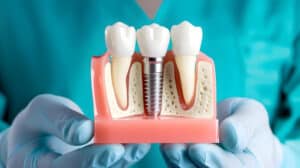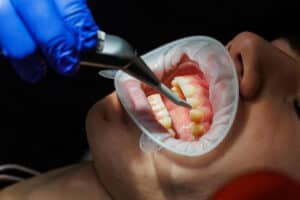

A tooth extraction is often necessary for protecting your oral health, whether due to severe decay, gum disease, or an impacted wisdom tooth. While most people expect some pain, swelling, or bleeding after the procedure, many are surprised when they also feel mentally “foggy.” This brain fog can show up as confusion, forgetfulness, or difficulty concentrating in the days following surgery.
You are not alone if you have noticed these symptoms. Research from the American Dental Association and the National Institutes of Health has pointed out that anesthesia, stress, and recovery-related factors often influence how clearly patients can think after surgery. Brain fog is not dangerous in most cases, but it can affect your daily life and make recovery feel more challenging. The good news is that understanding why this happens and learning how to cope can make a big difference in your healing process.
Key Takeaways
- Feeling mentally foggy after a tooth extraction is common.
- Causes include anesthesia, stress, inflammation, and lack of sleep.
- Symptoms can affect memory, focus, and mood.
- Coping strategies such as rest, hydration, nutrition, and mindfulness support recovery.
- Knowing what to expect helps patients feel reassured and in control.
What Is Brain Fog After Tooth Extraction?

Brain fog is a term used to describe temporary changes in thinking and mental clarity. Patients often describe it as feeling “out of it,” forgetful, or mentally sluggish. While it is not a medical diagnosis on its own, it represents a set of cognitive symptoms that can arise when the body is under stress.
Following a tooth extraction, the body is focused on healing. This shift in resources, along with side effects of anesthesia and pain medications, can make the brain feel less sharp than usual. The fog may last only a day for some, while others may notice it for a week or more. Understanding the causes behind it is the first step to coping.
Why You Might Feel Foggy After a Tooth Extraction
Hormonal Changes and Inflammation
Surgery triggers an inflammatory response in the body. Inflammation helps healing, but it also affects hormone levels that regulate mood and cognition. When hormones shift, patients may notice changes in energy, memory, and concentration. This is one reason mental clarity can feel reduced during recovery.
Sedation and Anesthesia
The type of anesthesia used has a major impact on how foggy you feel afterward. Local anesthesia generally wears off within hours, but intravenous sedation or general anesthesia can leave lingering effects. Common side effects include drowsiness, dizziness, and temporary confusion. These effects are usually short-lived but can make the first days of recovery mentally difficult.
Stress and Emotional Factors
Even with preparation, many patients feel nervous about surgery. Stress affects blood flow to the brain, which can make memory and focus more difficult. Anxiety after surgery can also intensify fogginess by disrupting normal sleep and concentration.
Sleep Disruption
Discomfort, swelling, or medications may interrupt sleep in the days following a tooth extraction. Restorative sleep is critical for brain function, and without it, the mind struggles to process information clearly. Sleep disruption can quickly add to feelings of fatigue and forgetfulness.
“Many patients are surprised to feel a little foggy after a tooth extraction. It’s normal, and with the right care and guidance, that fog does clear. My goal is to help you feel comfortable and supported every step of the way.” – Brandon West, DDS, MS
Common Symptoms of Foggy Feelings
Cognitive Impairments
Patients often describe memory lapses, trouble concentrating, and a general sense of mental cloudiness. Everyday tasks like following a conversation or focusing on work may feel more difficult than usual.
Emotional Changes
Brain fog is sometimes accompanied by mood changes such as irritability or heightened anxiety. For patients who do not expect these symptoms, the experience can be unsettling.
Physical Symptoms
Headaches, dizziness, and disrupted sleep are often tied to the foggy state. These physical effects can make the mental symptoms feel more pronounced.
Factors That Influence Foggy Feelings
Age and Cognitive Reserve
Older adults are more likely to experience prolonged cognitive symptoms after surgery. Pre-existing health conditions, educational background, and overall mental resilience can influence how quickly clarity returns.
Inflammatory and Neurological Effects
Inflammation triggered by surgery does not only affect the mouth. The body-wide immune response can influence brain health and contribute to temporary cognitive changes. Some research even points to connections between oral health and long-term brain health, including memory and cognitive function.
Other Contributing Factors
Personal health, stress levels, and lifestyle habits all play roles. Patients with chronic conditions like diabetes or hypertension may notice more pronounced foggy symptoms compared to those without these conditions.
Coping Strategies for Managing Brain Fog
Nutrition and Hydration
- Eat nutrient-rich foods: Soft, easy-to-eat meals such as scrambled eggs, mashed avocado, yogurt, or smoothies help supply the body with protein, vitamins, and healthy fats.
- Stay hydrated: Water supports energy and healing. Avoid alcohol and limit caffeine, which can lead to dehydration and worsen fatigue.
Rest and Sleep
- Prioritize sleep: Aim for 7–9 hours of sleep each night. Create a calming routine before bed, such as reading or practicing relaxation exercises.
- Nap when needed: Short naps can restore alertness without interfering with nighttime sleep.
Stress Management and Mindfulness
- Practice deep breathing or meditation: These techniques help calm the mind and improve focus.
- Gentle movement: Light stretching or short walks (if approved by your dentist) can improve circulation and reduce stress.
Gradual Return to Activity
- Pace yourself: Avoid overexertion during the first days of recovery. Slowly reintroduce normal tasks and physical activity to allow both the body and mind to regain strength.
“I often remind my patients that feeling a little foggy after surgery is completely normal. With rest, good nourishment, and patience, your clarity always returns.” – Clifford Zdanowicz, DDS
Post-Extraction Care Recommendations
Oral Care
Use a soft toothbrush and avoid vigorous rinsing during the first few days. Once advised by your dentist, rinsing with saltwater can help reduce bacteria and promote healing.
Pain and Swelling Management
Apply cold compresses within the first 24 hours to reduce swelling. Switch to warm compresses after a day to ease stiffness and bruising. Take pain medications exactly as recommended by your dentist.
Diet and Lifestyle
Stick to soft foods and avoid straws, as suction can dislodge the blood clot needed for healing. Continue to drink fluids throughout the day to stay hydrated.
Monitoring Recovery
Stay alert for signs of complications such as severe pain, persistent bleeding, or foul discharge. Contact your dentist immediately if any of these occur.
Why Choose West Periodontics & Dental Implants
West Periodontics & Dental Implants focuses on going beyond simply performing a tooth extraction. We take the time to understand your unique needs, explain the recovery process, and provide guidance that helps you feel prepared and supported every step of the way. Our team uses advanced techniques to reduce discomfort and shorten recovery time.
Most importantly, we genuinely care about your well-being, both physically and emotionally, and are committed to ensuring you heal comfortably and confidently.
The Bottom Line
Feeling foggy after a tooth extraction can be unsettling, but it is also a very common part of the healing process. The combination of anesthesia, stress, inflammation, and even disrupted sleep can leave your mind feeling less sharp than usual. Fortunately, these symptoms are temporary and can be managed with good nutrition, proper hydration, plenty of rest, and mindful self-care. Understanding why these changes happen gives you the reassurance that your body is simply recovering and adjusting. If brain fog or discomfort ever feels overwhelming, reaching out to your dental team is the best step forward. With the right support and care, you can expect your mind and body to regain clarity as you continue to heal.
Read more of our related blogs here.
Frequently Asked Questions
1. How long does brain fog last after a tooth extraction?
For most patients, foggy feelings fade within a few days. Some may notice lingering symptoms for up to a week, depending on anesthesia, sleep, and overall health.
2. Is brain fog after tooth extraction normal?
Yes, it is common and usually temporary. It often results from anesthesia, stress, or disrupted sleep during recovery.
3. Can pain medications make brain fog worse?
Yes. Certain pain medications, especially stronger ones, may cause drowsiness or confusion. Always follow your dentist’s guidance when taking them.
4. What helps improve clarity faster after extraction?
Good rest, hydration, proper nutrition, and gentle activity can help the body and mind recover more quickly.
5. Should I contact my dentist about brain fog?
If symptoms are severe, last longer than expected, or are accompanied by other concerning signs such as vision changes or persistent headaches, contact your dentist or physician.