
Gum disease, a common yet serious condition, affects millions of people worldwide, leading to problems like gum inflammation, tooth loss, and even systemic health issues. While traditional gum treatments like scaling and root planing have been the go-to methods for managing gum disease, laser gum treatment is becoming an increasingly popular choice for patients seeking a more effective and less invasive solution. Laser gum treatment, or laser periodontal therapy (LAPT), offers patients a modern approach to managing gum disease with less discomfort, quicker recovery times, and better long-term results.
In this article, we’ll explore the benefits of laser gum treatment, how it works, the types of gum disease it treats, and the procedure involved. We’ll also discuss why laser gum therapy could be the right choice for you and answer some common questions.
Key Takeaways:
- Laser gum treatment is a minimally invasive procedure that uses focused laser energy to target infected gum tissue.
- The treatment promotes faster healing and has less pain compared to traditional methods.
- Laser therapy offers several benefits, including preservation of healthy tissue and lower risk of infection.
- Despite its advantages, laser gum treatment is not always suitable for all patients or all types of gum disease.
What is Laser Gum Treatment?

Laser gum treatment, also known as laser-assisted periodontal therapy (LAPT), is a modern, minimally invasive procedure designed to treat gum disease, particularly periodontitis. Periodontitis is an advanced form of gum disease where inflammation and infection extend below the gum line, often causing damage to the gums and the bone that supports the teeth. Laser gum treatment uses laser energy to precisely target and remove infected gum tissue, allowing the surrounding healthy tissue to remain untouched and preserved.
This treatment is especially effective for patients with moderate to severe gum disease. It offers several advantages over traditional surgical treatments, including reduced pain, faster recovery, and fewer complications. Laser gum treatment also offers a sterilizing effect, which helps reduce the bacteria responsible for gum disease and enhances the overall healing process.
How Laser Gum Treatment Works
Laser gum treatment works by using focused light energy to eliminate bacteria and diseased tissue. The laser is highly precise, allowing it to target only the infected areas while leaving the healthy tissue intact. The laser also promotes regeneration by stimulating the growth of healthy gum tissue, which helps reattach the gums to the teeth.
Here’s how the procedure typically unfolds:
- Consultation and Evaluation: Before undergoing the treatment, a thorough examination is conducted, including taking X-rays and assessing the condition of your gums. The dentist or periodontist will determine the depth of the gum pockets and identify the areas needing treatment.
- Anesthesia and Preparation: The procedure is usually performed under local anesthesia to ensure comfort. Unlike traditional surgery, laser gum treatment often doesn’t require sedation or general anesthesia.
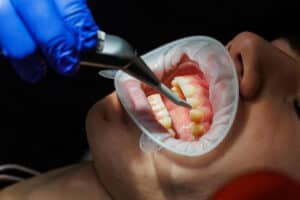
- Laser Application: The laser is used to remove the infected tissue and bacteria from the gums. The sterilizing effect of the laser reduces the risk of infection and aids in healing.
- Post-Treatment Care: After the procedure, patients are provided with post-operative care instructions. This may include antimicrobial mouth rinses, avoiding certain foods, and proper oral hygiene practices to promote healing.
West Periodontics and Dental Implants, believes in treating our patients like family. Laser gum treatment allows us to provide a more comfortable, precise, and effective solution for gum disease. It’s not just about healing gums; it’s about restoring confidence and quality of life.- Dr. Brandon West, DDS, MS
Benefits of Laser Gum Treatment
Laser gum treatment offers several advantages, making it a compelling option for managing gum disease:
1. Reduced Pain and Discomfort
One of the most significant benefits of laser gum treatment is the reduced pain and discomfort during and after the procedure. Since the laser is minimally invasive, it causes less trauma to the surrounding tissues compared to traditional surgery. As a result, there is typically less swelling and bleeding, leading to a more comfortable recovery. Most patients report that they only need over-the-counter pain relievers, if any, after the procedure.
2. Faster Recovery Time
Laser gum treatment promotes faster healing compared to traditional methods. While conventional gum surgery can take weeks for recovery, most patients find that they can return to their daily activities within 24 hours after laser treatment. This makes it a great option for people with busy lifestyles who cannot afford extended downtime.
3. Preservation of Healthy Tissue
One of the key advantages of laser therapy is its precision. The laser selectively removes infected tissue without affecting the healthy gum tissue around it. This allows the dentist to preserve more of your natural gum structure, leading to a better cosmetic result and less gum recession.
4. Lower Risk of Infection
The laser’s sterilizing effect also reduces the risk of infection after the procedure. While traditional gum surgery may leave behind open wounds that can become infected, the laser sterilizes the area as it works, ensuring a cleaner, healthier healing environment. This is particularly beneficial for people with weakened immune systems.
5. Long-Term Health Benefits
In addition to improving gum health, laser gum treatment can have positive effects on your overall health. Effective management of gum disease can help reduce the risk of systemic conditions such as heart disease, diabetes, and stroke, as untreated gum disease has been linked to these issues. By addressing gum disease early, patients can take proactive steps toward better overall well-being.
Types of Gum Disease Treated with Laser Therapy
Laser gum treatment is especially effective for treating periodontitis, the more severe form of gum disease. Periodontitis occurs when plaque and tartar build up under the gum line, leading to infection and damage to the structures that support the teeth. There are two primary types of gum disease that laser therapy is commonly used to treat:
- Gingivitis: Gingivitis is the mildest form of gum disease, characterized by redness, swelling, and bleeding of the gums. While gingivitis can usually be reversed with proper oral hygiene, laser gum treatment can help clear up the infection more quickly and efficiently if the condition progresses.
- Periodontitis: If gingivitis goes untreated, it can progress to periodontitis, which is more severe and can cause bone loss and tooth mobility. Laser gum treatment can be highly effective for removing infected tissue and promoting tissue regeneration in patients with periodontitis.
Why Choose Us?
West Periodontics and Dental Implants, are committed to providing the highest standard of care using the latest advancements in dental technology. Our team of experienced professionals specializes in laser gum treatment, ensuring that each patient receives a personalized treatment plan tailored to their unique needs. We understand that managing gum disease is essential for both oral health and overall well-being, and we are dedicated to offering less invasive, effective solutions.
By choosing us, you can trust that you’re in skilled hands, receiving top-tier care from a team that prioritizes your comfort and health. We also work closely with patients to explore insurance options and offer flexible financing plans to make treatment more affordable. Your oral health is our priority, and we are here to guide you every step of the way in your journey toward a healthier smile.
Final Takeaway
Laser gum treatment offers a modern, effective, and minimally invasive solution for gum disease. With its numerous benefits, including faster recovery, reduced pain, and enhanced precision, it is rapidly becoming the treatment of choice for managing gum health. By choosing laser gum treatment, you’re not only addressing gum disease but also improving your overall health. If you’re considering this treatment, consult with our team at West Periodontics and Dental Implants to determine if it’s the right solution for you. We’re here to help you achieve a healthier, more confident smile.
Frequently Asked Questions (FAQs)
1. How long does laser gum treatment take?
The procedure typically takes between 1 to 2 hours per quadrant. For full-mouth treatments, it may take more than one session.
2. Is laser gum treatment painful?
Most patients experience minimal discomfort during and after the procedure, with many only requiring over-the-counter pain medication for relief.
3. How soon can I return to normal activities?
Most patients can return to their usual activities within 24 hours, with a full recovery time of about one week.
4. Does insurance cover laser gum treatment?
Insurance coverage for laser gum treatment varies depending on your plan. It’s important to check with your insurance provider to determine what’s covered.
5. What are the typical outcomes of laser gum treatment?
Laser gum treatment typically results in reduced gum inflammation, improved gum health, and faster healing. Patients also experience less bleeding and swelling, with many noticing the regeneration of gum tissue and the preservation of teeth.