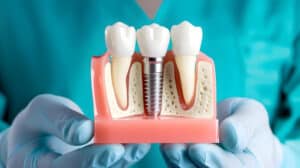

Dental implants are a proven way to replace missing teeth, and the technology used to place them has changed dramatically in recent years. Guided dental implant surgery in Timonium, MD is one of the most meaningful advances in implant dentistry. Instead of relying on manual measurements and two-dimensional X-rays alone, this approach uses CT scans, 3D imaging, and specialized planning software to map out the entire procedure before treatment begins. For patients in the Lutherville-Timonium area, that means a more predictable, precise, and comfortable path to restoring a full smile.
Periodontal specialists and oral surgeons near Timonium use guided surgery software to safely and accurately place dental implants, improving the likelihood of a successful implantation. The goal is to remove guesswork from the procedure. With a detailed view of the jawbone, teeth, nerves, and sinuses, the care team can make informed decisions before the first instrument touches the mouth.
What Is Guided Dental Implant Surgery?
Guided dental implant surgery is a computer-assisted method for placing implants with a high degree of accuracy. It begins with a cone beam CT scan, which produces a three-dimensional image of the patient’s teeth, jawbone, and facial structures. That scan is loaded into guided surgery software, where the doctor can rotate the image, measure bone dimensions, locate nerves and sinus cavities, and select the ideal size, angle, and depth for the implant.
Once the virtual treatment plan is complete, a custom surgical guide is fabricated. This guide fits over the patient’s teeth or gum tissue and contains channels that direct the surgical drill to the planned position. Fully guided procedures often use systems such as the ZimVie Z3D RealGUIDE surgical kit and tooth-borne surgical guides. When the implant is placed, the guide keeps the drill and implant true to the angle, depth, and position established during planning.
How Guided Implant Placement Works
The guided process involves several stages, each building on the previous one. Understanding each step can help patients feel prepared and confident.
CT Imaging and 3D Scanning
Every guided case starts with a CT scan. This imaging method gives the doctor far more detail than a traditional dental X-ray. It reveals the density and volume of the jawbone, shows the position of nerves and sinuses, and helps the team determine whether the patient has enough bone to support an implant. This information is the foundation for everything that follows.
Virtual Treatment Planning
After the scan, the images are uploaded to guided surgery software. The doctor examines the 3D model of the patient’s anatomy and plans the implant placement on screen. The software allows precise adjustments so the implant can be positioned to support the final crown or bridge. This virtual planning phase is where complications are often identified and avoided before the patient reaches the treatment room.
Custom Surgical Guide Fabrication
Once planning is finalized, a surgical guide is produced to match the plan exactly. The guide fits securely over the teeth or tissue and directs the surgical instruments to the planned site. In advanced computer-guided oral surgery, the same digital plan is used for planning and for creating the implant guide. Patients in Timonium can receive this level of care from periodontal and oral surgery practices in the area.
Guided Placement and Healing Oversight
During the procedure, the guide helps the surgeon place the implant in the pre-planned position. After placement, the healing process requires careful attention. Guided surgery planning, implant placement, and healing oversight are all part of comprehensive implant care available to patients in Timonium, MD. Follow-up visits allow the doctor to monitor how the implant is integrating with the bone and address any concerns that arise.

Benefits of Guided Dental Implant Surgery
Guided implant placement offers measurable improvements over traditional approaches. For patients, the most noticeable difference is often the level of planning that happens before surgery.
- More accurate implant positioning
- Greater safety around nerves and sinuses
- Less reliance on guesswork during the procedure
- A more efficient surgery with potentially less tissue trauma
- Better support for the final tooth restoration
Doctors using guided surgery software can safely and accurately place dental implants, improving the outcome for successful implantation. The predictability of the approach is especially valuable for complex cases, such as those involving bone grafting or limited bone volume. Advanced computer-guided oral surgery is used for planning and for creating implant guides, so the entire treatment path can be mapped in advance.
| Approach | Imaging | Planning | Surgical Guide |
|---|---|---|---|
| Traditional placement | Two-dimensional X-rays | Manual measurements | Not typically used |
| Guided placement | CT scan with 3D imaging | Software-based virtual planning | Custom-made template |
What to Expect From Consultation to Final Restoration
Patients who pursue guided implant surgery in Timonium typically begin with a consultation. The periodontist or oral surgeon reviews the patient’s dental history, performs a clinical examination, and determines whether dental implants are a suitable option. If they are, a CT scan is scheduled and the planning process begins.
On the day of surgery, the patient is made comfortable with an appropriate anesthetic. The surgical guide is seated over the teeth or tissue, and the implant is inserted following the planned trajectory. Because so much preparation has already been completed, the surgical appointment itself is often shorter than patients expect.
After placement, the healing phase begins. This phase is critical, and monitoring the implant during the weeks that follow is just as important as the placement. In Timonium, patients have access to healing oversight as part of their implant care, giving them a clear point of contact if anything feels unusual during recovery. Once the implant has integrated with the jawbone, the restorative dentist creates and attaches the final crown, bridge, or other prosthesis.
Who Can Benefit Most From Guided Placement?
Guided implant surgery is well suited to many patients with one missing tooth, several missing teeth, or more complex needs such as full-arch restoration. It is especially helpful when the available bone is limited, when the sinuses are close to the implant site, or when the final result must meet exact aesthetic standards.
However, not every patient is an immediate candidate for implants. Those with active gum disease may require periodontal treatment first, and patients who have lost bone may need bone grafting to create a stable foundation. The CT scan and consultation will reveal whether the jaw is ready and what additional procedures might be necessary before the implant can be placed.
Finding Guided Implant Surgery in Timonium, MD
Residents of Timonium and nearby areas can access periodontal specialists who provide guided dental implant surgery. West Periodontics & Dental Implants offers implant planning, guided implant placement, and periodontal care using digital treatment-planning technology.
After the implant heals and integrates with the bone, a restorative dentist places the final crown or prosthesis. Coordinated care between the periodontal and restorative teams helps support a well-planned implant restoration.
Frequently Asked Questions
How is guided implant surgery different from traditional implant placement?
Traditional implant placement typically relies on clinical examination and two-dimensional X-rays, while guided surgery uses a CT scan and 3D planning software to create a detailed map of the jaw. A custom surgical guide is then used during the procedure to control the position, angle, and depth of the implant. This approach reduces guesswork and can improve the predictability of the final result.
Is the CT scan uncomfortable?
A cone beam CT scan for dental implant planning is quick and painless. The patient is positioned near the scanning machine while it rotates around the head, and the images are captured in a short time. The scan provides the periodontist with a detailed three-dimensional view of the teeth, bone, and facial structures needed to design the surgical guide.
Does the surgical guide make the procedure more invasive?
No. The guide helps make surgery less invasive and more precise. It directs the surgical instruments to the exact planned location, which minimizes the need for adjustments once the procedure begins. Because the doctor already knows the ideal position, angle, and depth, surrounding tissue may be disturbed less, and the recovery period may be more straightforward.
What should patients in Timonium do before scheduling guided implant surgery?
The first step is a consultation with a periodontal specialist or oral surgeon. The consultation typically includes a review of your dental history, a clinical exam, and, if implants are appropriate, a CT scan. The doctor can then determine whether treatments such as bone grafting or gum disease therapy are needed before implant placement.
Conclusion
Guided dental implant surgery uses 3D imaging, digital planning, and custom surgical guides to support precise implant placement. For patients considering dental implants in Timonium, MD, this approach helps the periodontal team evaluate the jawbone, nerves, sinuses, and planned restoration before treatment. It can also reveal whether periodontal therapy or bone grafting may be needed. If you are missing a tooth, schedule a consultation with West Periodontics & Dental Implants. Contact the office today to discuss your options and begin planning personalized care.