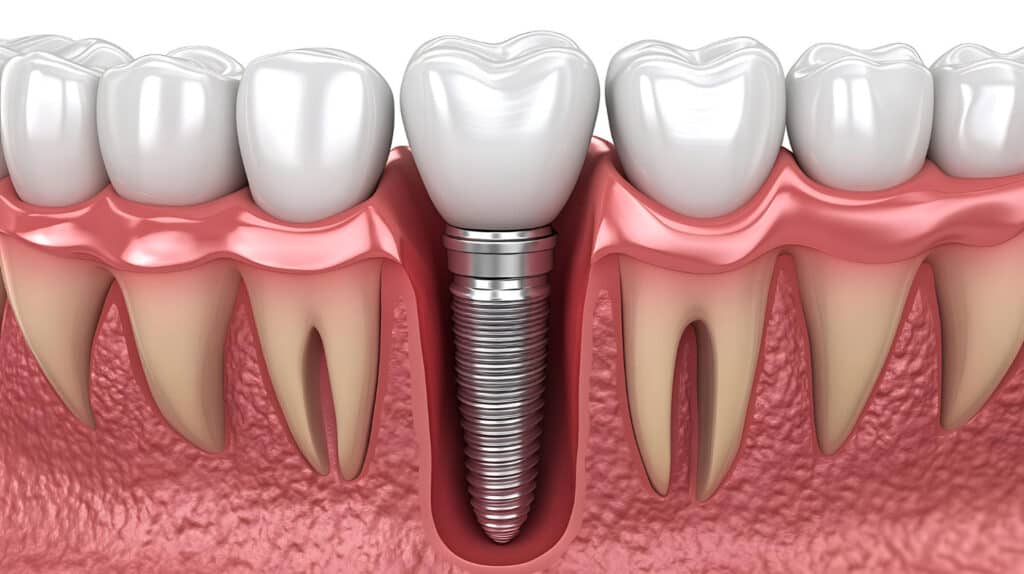
Most people do not go looking for information about bone grafting in Timonium, MD until something else forces the question. A tooth comes out. A dentist mentions that the jaw is too thin for an implant. A gum infection has been quietly eroding bone for years. At that point, the conversation shifts from routine dentistry to rebuilding structure that is already gone.
A bone graft is the procedure that addresses that loss. Understanding what it does, why it is recommended, and how the timeline unfolds makes the decision far less intimidating than it sounds.
What a Bone Graft Does for the Jaw
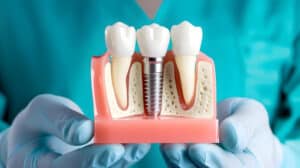
A bone graft adds support to areas of the jaw where bone has been lost and helps stimulate new bone growth. The goal of the procedure is not simply to fill a gap. Instead, the graft provides a foundation that allows the body to rebuild bone in the area over time. If you are considering treatment to rebuild lost jawbone, learn more about how bone grafting improves dental implants.
This matters because jawbone needs stimulation to maintain its density. When a tooth is removed, the bone that once supported it no longer receives the same stimulation, which can cause the ridge to shrink over time. A bone graft helps support the area and provides a framework for new bone to develop.
Why Bone Loss Happens in the First Place
Three common causes can leave an implant site with inadequate bone structure: previous extractions, gum disease, and injuries. Each one can affect the jawbone in a different way.
Extractions are the most familiar scenario. When a tooth is removed, the socket heals, but the bone around it tends to resorb rather than stay at its original height and width. Gum disease works more gradually, breaking down the bone that anchors teeth without the patient necessarily noticing until the damage becomes more advanced. Trauma or injury can also cause bone loss suddenly.
Bone grafting may sometimes be performed at the time of tooth extraction to help preserve the area for a future dental implant. When bone loss is likely after an extraction, addressing the site early can help create a stronger foundation for later implant placement and may reduce the need for additional procedures.
When Your Dentist or Periodontist May Recommend a Graft
Bone grafting comes up most often in the following situations. The list reflects what the sources in this guide describe, not a diagnostic checklist.
- An implant site has inadequate bone structure because of a previous extraction.
- Gum disease has destroyed bone around a tooth or teeth that need replacing.
- An injury has damaged the jaw in an area being considered for an implant.
- A tooth is being extracted and the site is being prepared in advance for an implant.
- The jaw needs to be augmented to support healthy bone and stimulate regeneration at a specific site.
A graft is not automatic in any of these cases. It is recommended after an examination shows that the existing bone cannot support the planned restoration on its own.
What the Bone Grafting Process Looks Like
The steps below reflect how the practices in this research describe their own approach to bone grafting.
Assessment and imaging come first
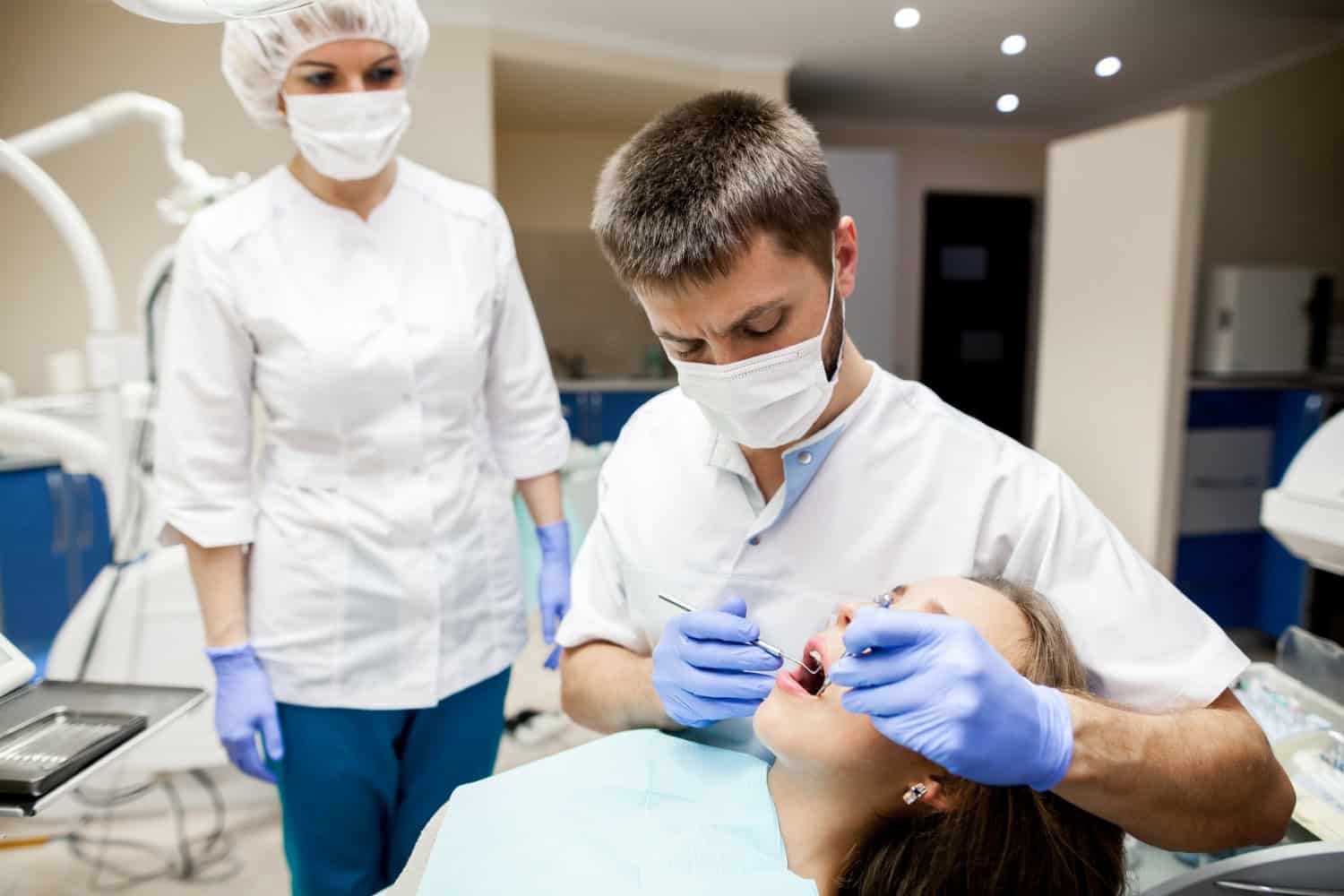
Bone grafting begins with a thorough assessment of the patient’s mouth, jawbone, and overall oral health. The evaluation helps determine where bone loss has occurred and whether grafting is appropriate before treatment begins. A detailed medical and dental history, along with appropriate imaging, can help the periodontist plan the procedure based on the patient’s specific needs.
Imaging serves two important purposes. It shows how much bone remains and where it is located. A ridge that looks adequate from the outside can be narrow or have areas of reduced bone underneath, which is why treatment planning often relies on detailed imaging rather than visual inspection alone. For patients preparing for implant treatment, dental implants may also be considered as part of the overall treatment plan.
The graft addresses a specific site
Bone grafting is a localized procedure. The graft is placed at the site that needs support, whether that is a single implant position, a section of ridge where a tooth was lost, or an area affected by periodontal disease. Because the procedure is targeted, the treatment plan varies considerably from one patient to the next.
Healing happens in two stages
One published source, West Periodontics & Dental Implants, states that initial healing after a bone graft takes about a week, while full bone healing can stretch from three onward. The published excerpt is truncated at that point, so the exact unit of time is not confirmed in this material. Patients should ask their own clinician for the specific timeline that applies to their graft, because graft size and location both influence how long the site needs before an implant can be placed.
It helps to separate the two timelines in your mind. The week or so of initial healing is about soft tissue closing and everyday comfort returning. The longer phase is invisible and involves the graft being gradually replaced by the patient’s own bone.
Bone Grafting and Dental Implants in the Timonium Area
Bone grafting is rarely a standalone goal. For most patients it is the step that makes dental implants possible. West Periodontics & Dental Implants in Timonium, MD offers bone grafting for jawbone restoration alongside dental implants, guided implant surgery, gum disease treatment, and gum grafting, which means the evaluation and the restorative plan can be handled by the same periodontal team.
That continuity matters. When the same practice assesses the bone, performs the graft, and later places the implant, the surgical planning stays consistent from start to finish.
What to Consider Before Bone Grafting in Timonium, MD
Bone grafting is planned according to the location and extent of bone loss, as well as whether the area will eventually support a dental implant. Before treatment, a periodontist can evaluate the jawbone and use appropriate imaging to determine whether grafting is needed and how the procedure should be planned.
During a consultation, it can be helpful to ask about:
| Consideration | What to Ask |
|---|---|
| Bone loss | Where has bone been lost, and how much support is needed? |
| Treatment timing | Should the graft be completed before implant placement or as part of another procedure? |
| Grafting approach | What type of grafting is appropriate for the affected area? |
| Imaging | What imaging will be used to evaluate the available bone? |
| Implant planning | How will the graft support the next stage of dental implant treatment? |
Because every patient’s jawbone and treatment needs are different, the appropriate approach can only be determined after an examination and evaluation of the affected area. Asking these questions can help you understand the treatment plan and what to expect before moving forward.
Questions Worth Asking at a Bone Grafting Consultation
Bring a short list with you. These are the questions that determine whether the plan fits your situation and your schedule.
- Where exactly is the bone loss, and how much bone is missing?
- Does the graft need to happen before an implant, or can it be placed at the same time as an extraction?
- What does the healing timeline look like for my specific graft?
- What imaging will be used, and how does it guide the surgery?
- What will I be told to do and avoid during the initial week of healing?
- How will the practice follow up before implant placement?
Ask for the answers in writing if you are comparing more than one practice. It is much easier to weigh two plans side by side when the details are on paper.
Frequently Asked Questions
How much does a bone graft cost in Timonium, MD?
No pricing data appeared in the research behind this guide, and the Timonium-area practices reviewed do not publish fees for bone grafting in the material captured. Because the procedure is site-specific, a quote typically depends on the extent of bone loss and how the graft fits into the larger implant plan. Request a written estimate after your examination.
Does dental insurance cover bone grafting?
The research did not include a verified answer on coverage, and decisions vary from plan to plan based on diagnosis and how a procedure is coded. Rather than guessing, contact your insurer before treatment and ask the practice’s front office to help with a pre-treatment estimate. Knowing the number in advance removes the biggest source of uncertainty.
Can it ever be too late for a bone graft?
The sources reviewed here do not state a cutoff point after which grafting becomes impossible. What they do show is that the process starts with an assessment of the mouth and oral health, followed by detailed imaging to locate exactly where bone has been lost. That evaluation is what determines whether grafting remains an option for you.
How long does healing take after a bone graft?
West Periodontics & Dental Implants notes that initial healing takes about a week, while full bone healing can stretch from three onward. The published excerpt is cut off before the unit of time, so treat that longer figure as unconfirmed. Your own clinician can give you a realistic timeline based on the size and location of your graft.
Bone grafting in Timonium, MD is ultimately a planning decision as much as a surgical one. The right time to ask about it is before an implant is scheduled, before an extraction that may remove supporting bone, or as soon as gum disease has been shown to affect the bone around a tooth. An examination and the right imaging answer the questions that a search cannot, and they give you a clear view of what the jaw needs before the next step is taken.